Bottom line: SPX is a focused, trade-ready alternative to Norton for Australian panel shops that want automotive refinish discs, ceramic 150mm options, 15-hole dust extraction, and direct local supply. Norton is a large manufacturer with a very broad industrial range — excellent if you buy across many trades, less essential if refinish is your core work.
This page is fair to Norton. Its breadth and engineering are real strengths. The aim is to show where a focused refinish range serves a panel shop better than a catalogue built for every industry.
The short version. The focus-versus-breadth and cost-per-job sections below are where this decision is usually made for a panel shop.
| Category | SPX | Norton | Best fit |
|---|---|---|---|
| Main use case | Automotive sanding and refinish workflow | Broad industrial and trade abrasive range | SPX if refinish is your core work |
| Range breadth | Focused on refinish discs | Very wide across many abrasive categories | Norton for multi-trade buyers |
| Disc sizes | 150mm-focused trade range | Broad range of formats | SPX for standardised 150mm shops |
| Ceramic options | Yes — built for cost-per-job cut | Yes, within a broad portfolio | SPX for refinish-tuned value |
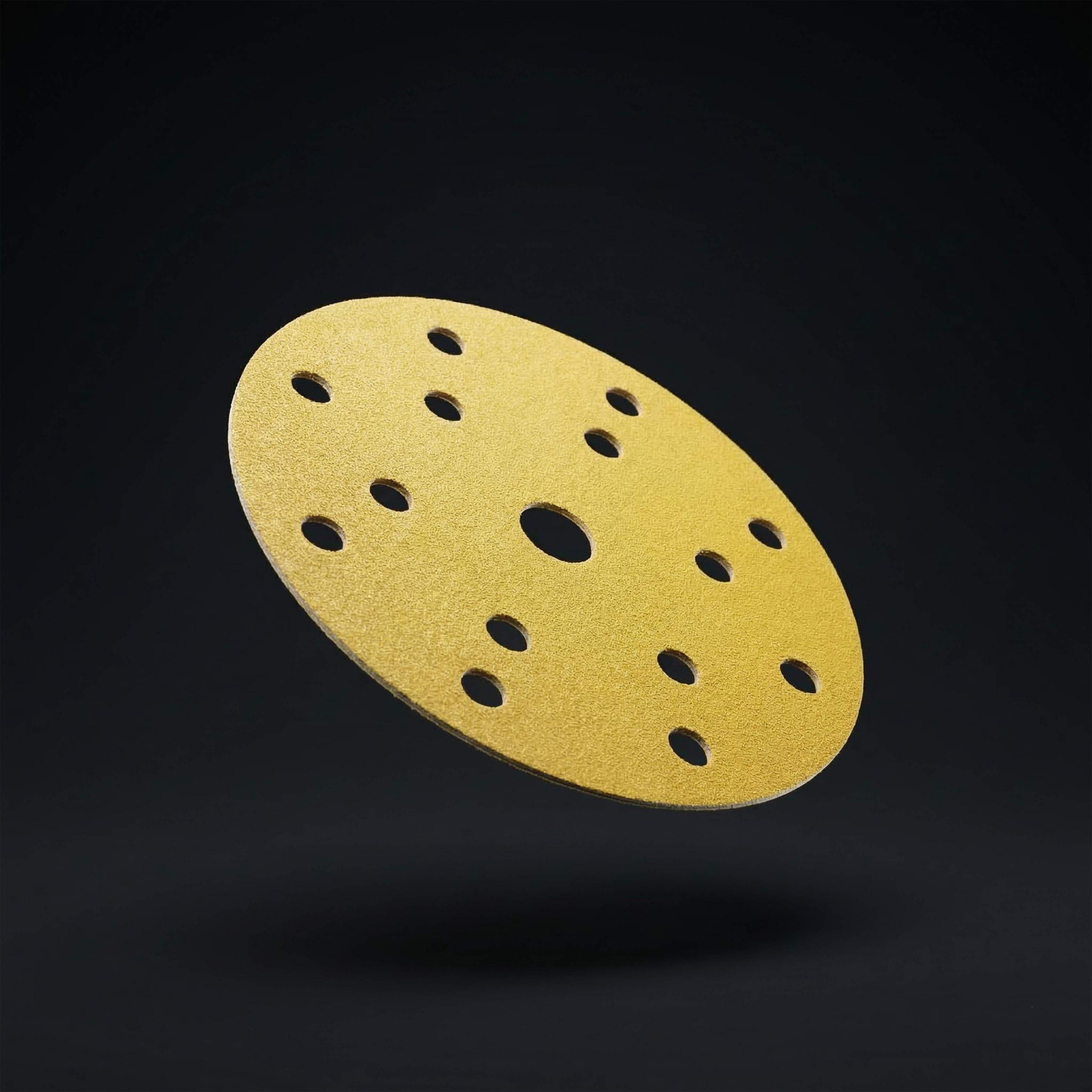
| Dust extraction | 15-hole options | Pattern varies by line | Match to your sander setup |
| Supply model | Direct trade/wholesale, Melbourne dispatch | Distributor and industrial channels | SPX for simple local repeat supply |
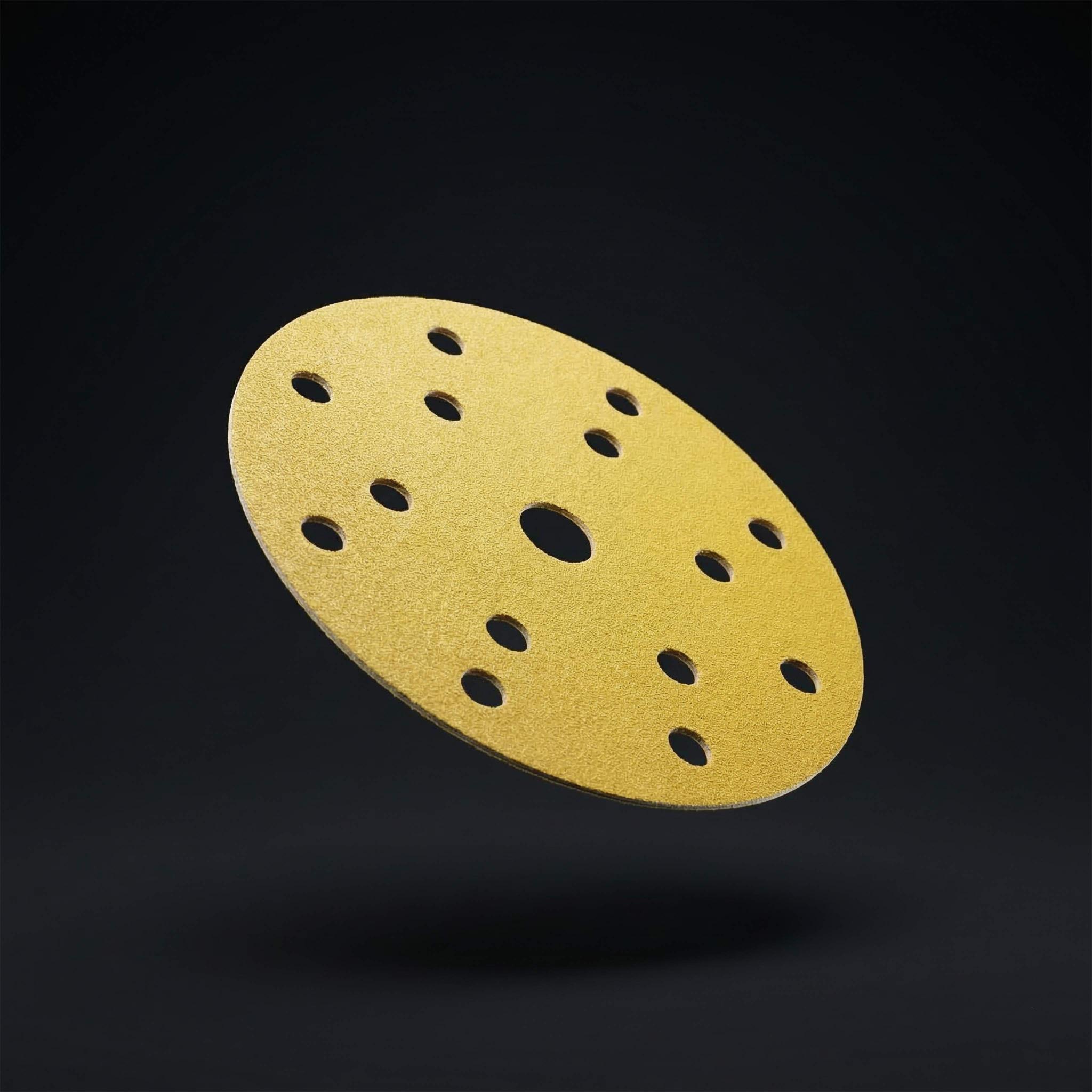
These SPX ceramic 150mm discs are the ones to weigh against Norton's refinish and ceramic lines. Check grit and pack style, then read the focus and cost sections below.

Pros don’t have time for discs that die halfway through the job. Cheap sanding discs might look cheaper upfront, but on the job they cost you more...

You're not paying for discs. You're paying for every minute you waste changing them. Every worn-out disc is a break in your rhythm, machine off, di...

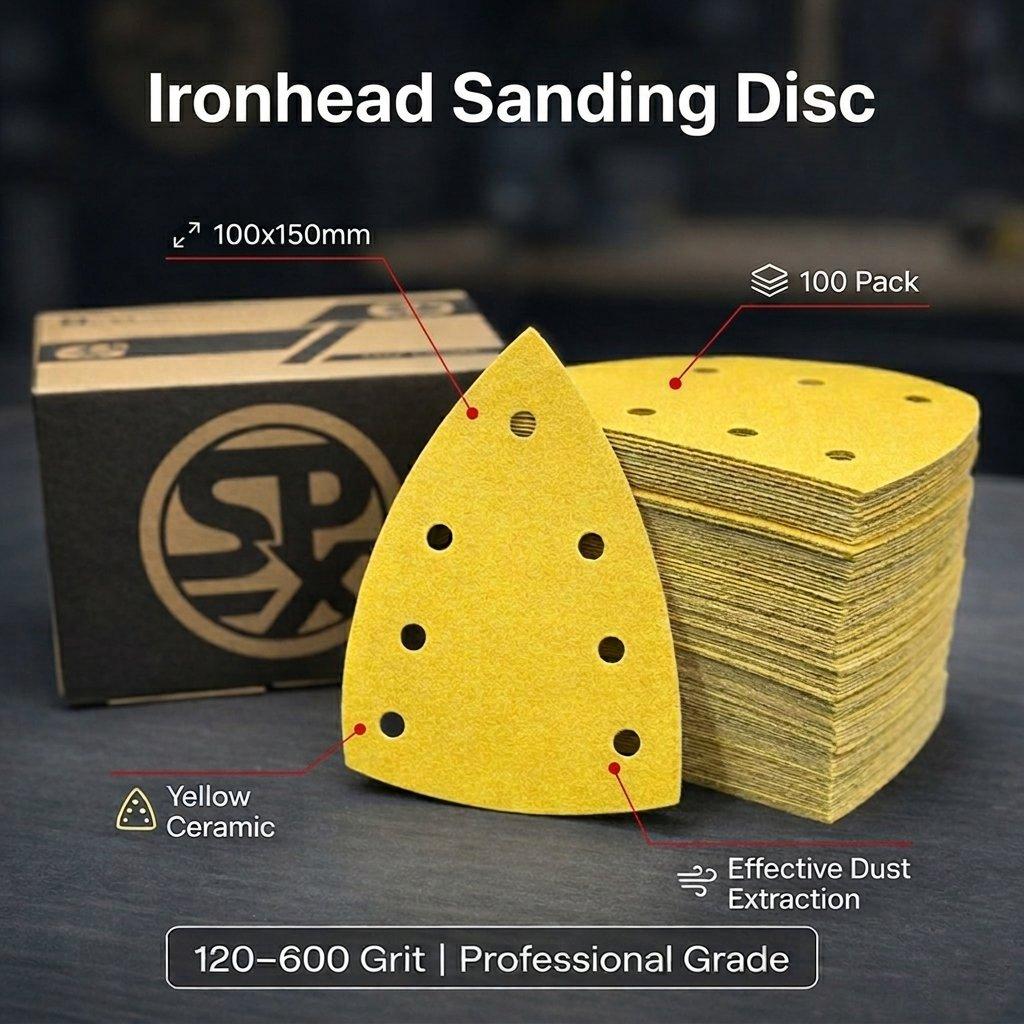
This 120-600 grit box of 100 is your everyday finishing range — the discs that step a surface through primer and sealer down to a clean pre-clear o...

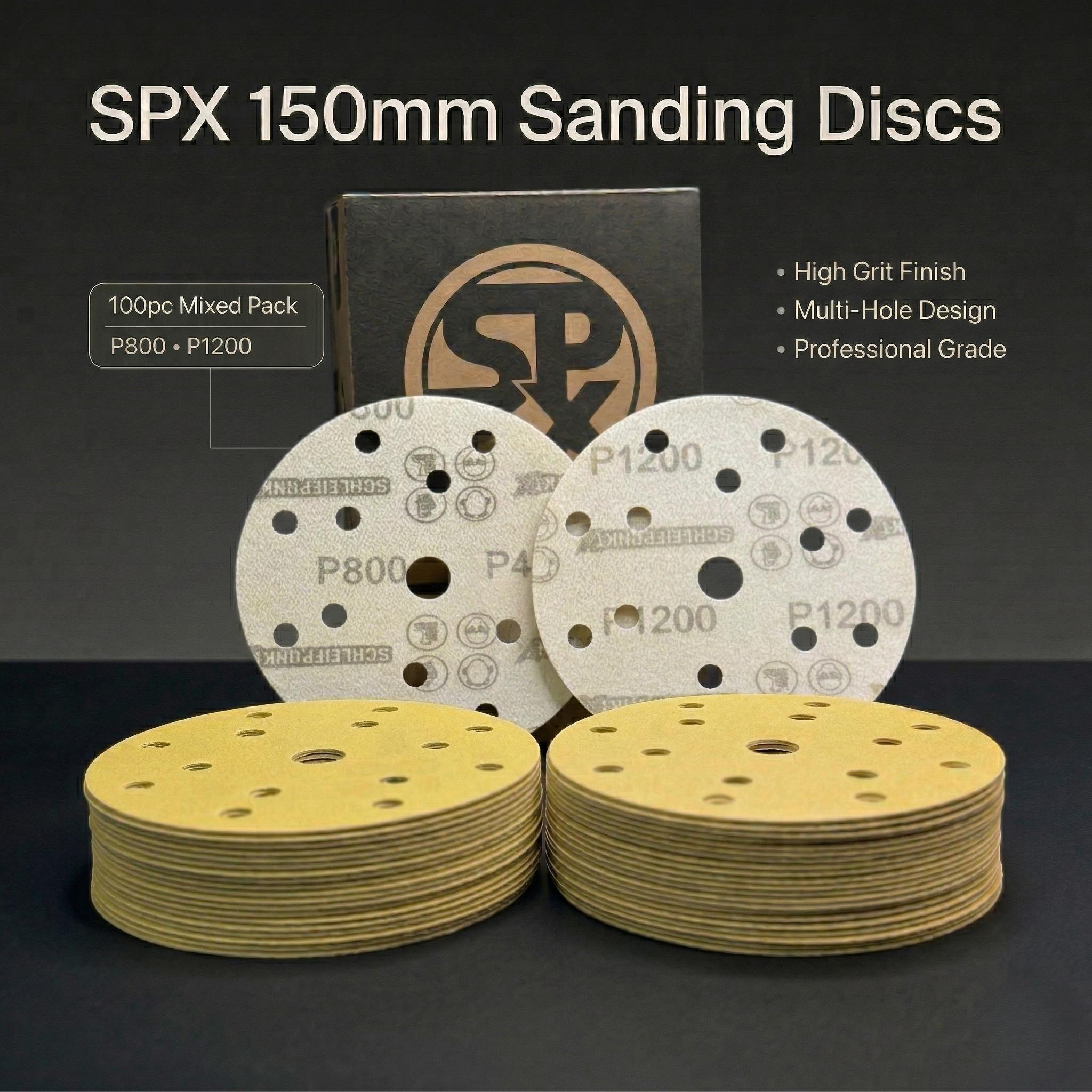
Choose from Low, Medium or High Grit SPX 150mm Sanding Disc – Mixed Low Grit Pack (100pcs) Grits: 25 × P80, 25 × P120, 25 × P180, 25 × P240 Get the...

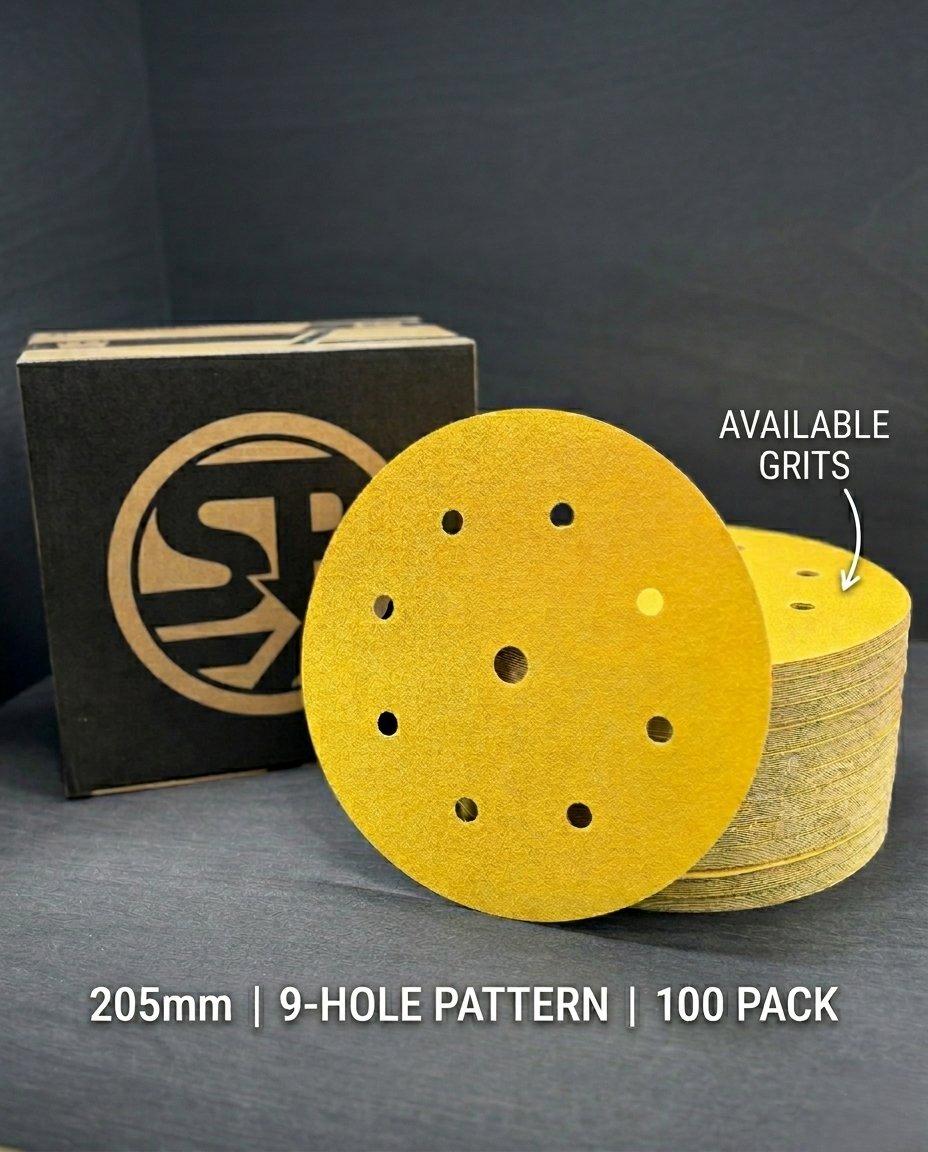
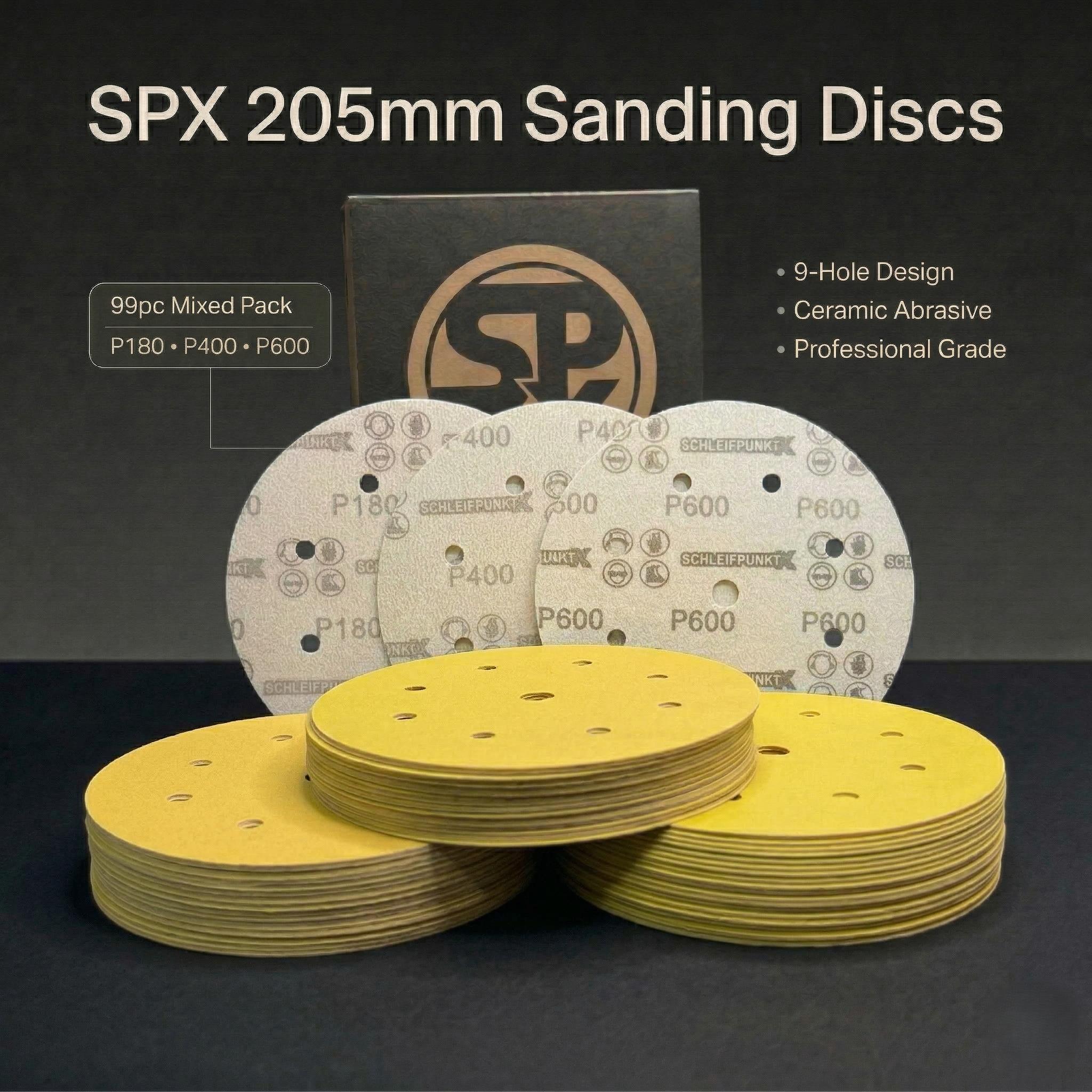
SPX Yellow Ceramic Sanding Disc – 205 mm (9-Hole) Professional-grade performance for cabinetmakers, spray painters & surface finishers. Enginee...

SPX Yellow Ceramic Sanding Disc – 205 mm (9-Hole) Professional-grade performance for cabinetmakers, spray painters & surface finishers. Enginee...
Norton's strength is range. It serves metal fabrication, construction, industrial finishing, and automotive from one portfolio. If your buying spans several trades, that breadth is genuinely convenient — one supplier across the board.
But a dedicated panel shop is not buying a catalogue. It is buying the right 150mm refinish discs, the right ceramic cut, dust extraction that fits the sander, and supply it can rely on. A focused range tuned for that work can serve a refinisher better than a portfolio designed to cover everyone. That is the case SPX makes.
34 approved reviews back the SPX ceramic discs on this page, averaging 4.9/5.
Both make good abrasives. The difference is scope, not quality.
Norton is a large, long-established abrasives manufacturer with deep engineering and a very wide range across industrial and trade categories, including ceramic lines. It is a strong choice for buyers who want one supplier across many types of abrasive work.
SPX focuses on automotive refinish discs: ceramic and standard 150mm formats, 15-hole dust extraction, and direct trade supply built for repeat ordering. The narrow range is the point — it is tuned for panel-shop sanding rather than spread across every trade.
On automotive filler, primer, guide coat, and paint prep, both brands cover the same stages. That overlap is where a panel shop should compare on refinish-specific cut, fitment, and cost per job rather than overall range size.
Cautious by design: Norton specs vary widely by line and region. Confirm fitment against the specific Norton product you currently run.
| What you are buying | SPX | Norton |
|---|---|---|
| 150mm sanding discs | Core focus of the range | Available within a broad portfolio |
| Ceramic discs | Yes — refinish-tuned, cost-per-job cut | Yes, across industrial and trade lines |
| 15-hole dust extraction | Yes — dedicated options | Pattern varies by line |
| Range scope | Focused on automotive refinish | Very broad across many trades |
| Supply | Direct trade/wholesale, Melbourne dispatch | Distributor and industrial channels |
Norton, part of Saint-Gobain, has over 130 years behind it and a catalogue that spans far beyond automotive. That breadth is a genuine advantage for the right buyer:
SPX is not trying to be a catalogue for every trade. It is built for the shop where automotive refinish is the core job:
A broad industrial catalogue has to cover everything; a refinish-focused range can tune for the stages a panel shop actually runs. Here is what each automotive stage asks of the disc.
| Refinish stage | Typical grit | What the stage needs from the disc |
|---|---|---|
| Body filler shaping | P80 – P120 | Aggressive, sustained cut that does not glaze part-way through. |
| Primer sanding | P180 – P240 | Even levelling with good dust pickup so the surface reads true. |
| Guide coat sanding | P320 | Consistent scratch pattern that lifts the guide coat cleanly. |
| Paint prep / finishing | P400+ | Fine, uniform finish — where many shops move ceramic into film. |
Range size does not sand panels. The better question is which disc gives the best cost per finished job on your refinish stages once disc life, cut consistency, labour time, dust control, and rework are counted.
Norton can be the right call for a multi-trade buyer who values one supplier across many abrasive types. But for a panel shop, a focused ceramic and 150mm range tuned for refinish often delivers a better cost per job with simpler local supply. Prove it on one real job before you switch your standing order.
For Australian panel shops weighing SPX against Norton, SPX is best viewed as a focused refinish alternative rather than a broad industrial catalogue. Norton's breadth is a real advantage for multi-trade buyers who want one supplier across everything.
But if refinish is your core work and you want ceramic 150mm cut, 15-hole dust extraction, and simple local supply, a tuned range usually beats a broad one on the stages that pay your bills. Test SPX on one real job, confirm fitment, and let cost per job decide.
Follow the decision into refinish detail, format, and other brand comparisons.
Where ceramic cut pays off versus standard discs.
Stage-by-stage workflow from filler to paint prep.
Full grit selection guide for the 6-inch standard.
Comparing against 3M instead? Start here.
SPX Abrasives is a Melbourne, VIC supplier of professional sanding abrasives for retail, trade, and wholesale buyers across Australia. This comparison is written and checked by people who sell, test, and use these discs in a working paint shop.
Disclaimer: competitor specifications vary by product line and region and can change over time. Brand names are used for comparison and identification only. Always confirm disc and hole-pattern fitment against your own sander and pad before switching.
Competitor positioning in this comparison is checked against official manufacturer information. We do not copy competitor content; links are provided so you can verify claims yourself.
Order a trade pack, run it on one real refinish job, and compare cut and cost per job. Wholesale options available for repeat-volume buying.