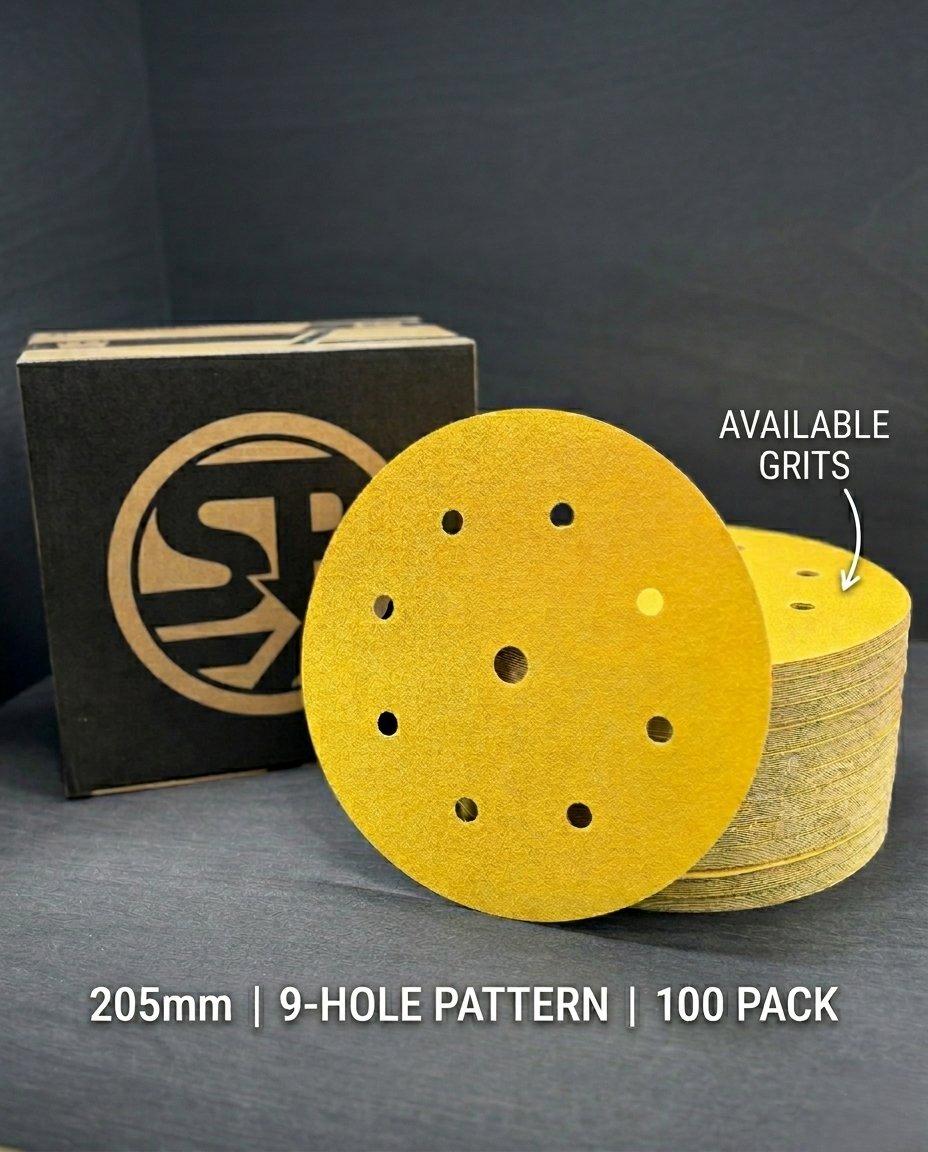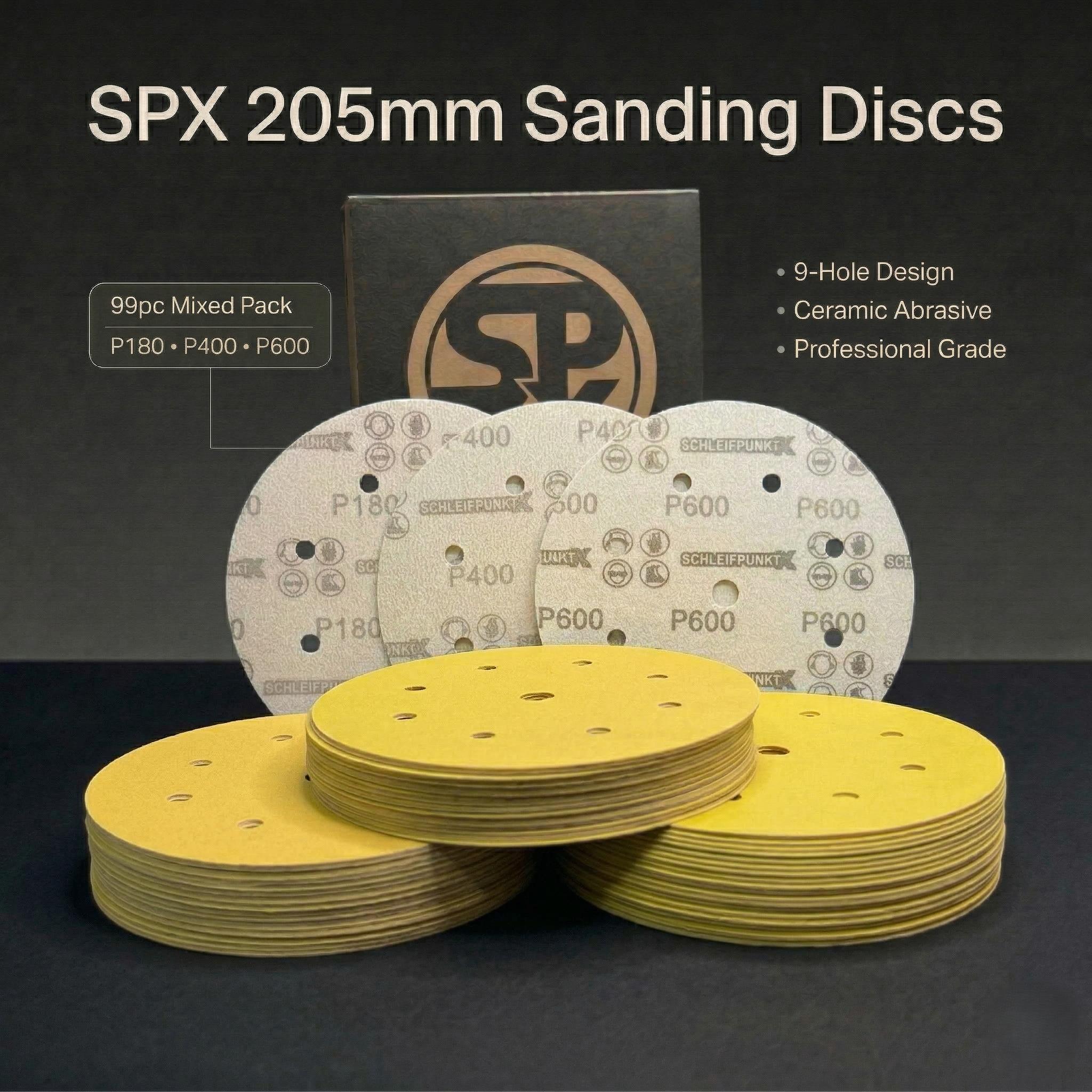
ceramic sanding discs australia

Ceramic Sanding Discs Built for Faster Cut and Longer Life

This page is for buyers who are already past the cheapest-price conversation and want better throughput from each sanding stage. Ceramic sanding discs are normally chosen because they cut harder, keep working longer, and reduce unplanned disc changes across repetitive jobs.

SPX uses this page to centralise the performance message: faster cutting, fewer interruptions, cleaner consistency, and 150mm trade-ready options that fit automotive refinishing, woodworking, and metal prep workflows in Australia.

Faster cuttingLonger lastingTrade packs availableMelbourne dispatch

Shop ceramic sanding discs

This grid exists above the fold because ceramic is not an informational modifier. It is a commercial performance filter, and buyers usually want to compare real packs and price points immediately.

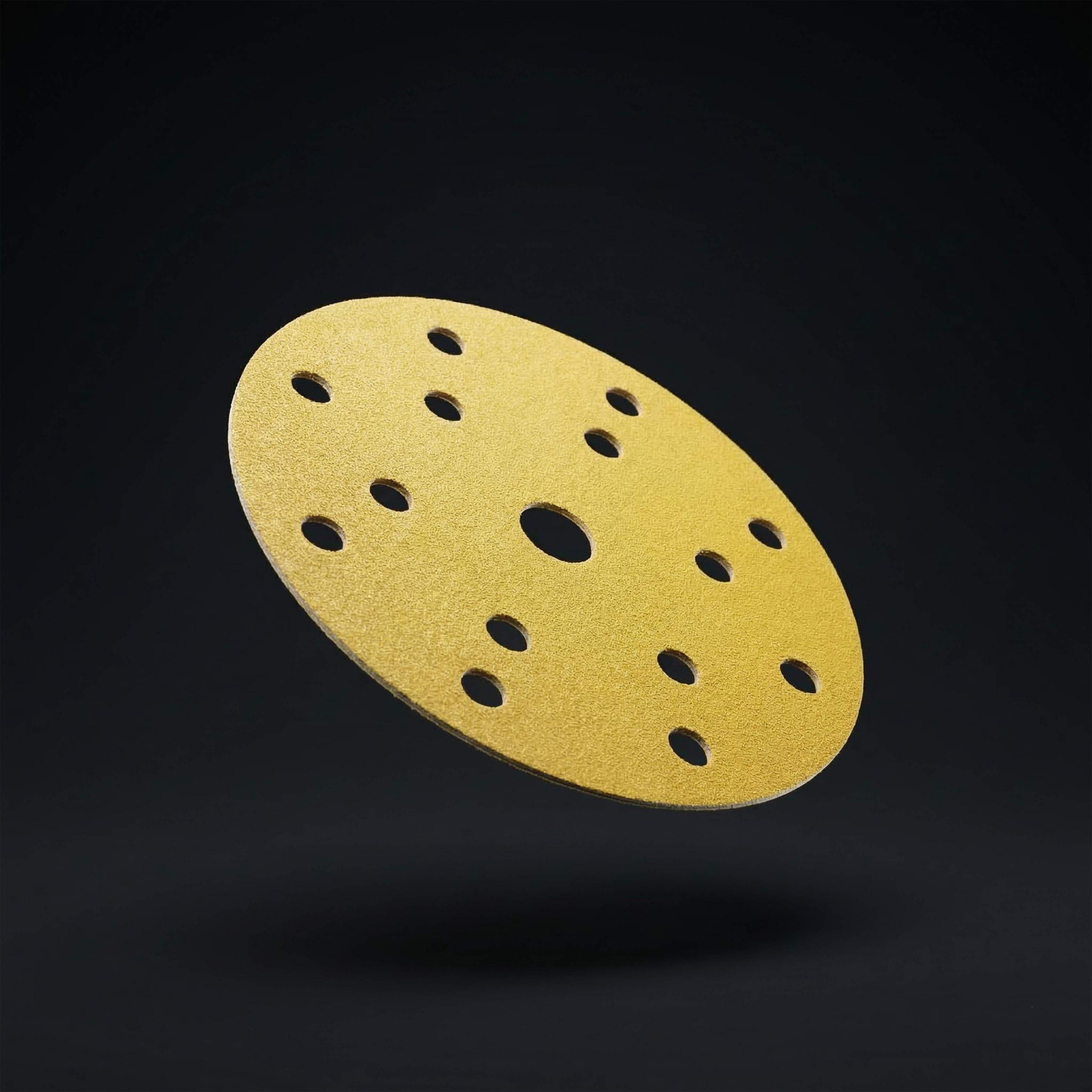
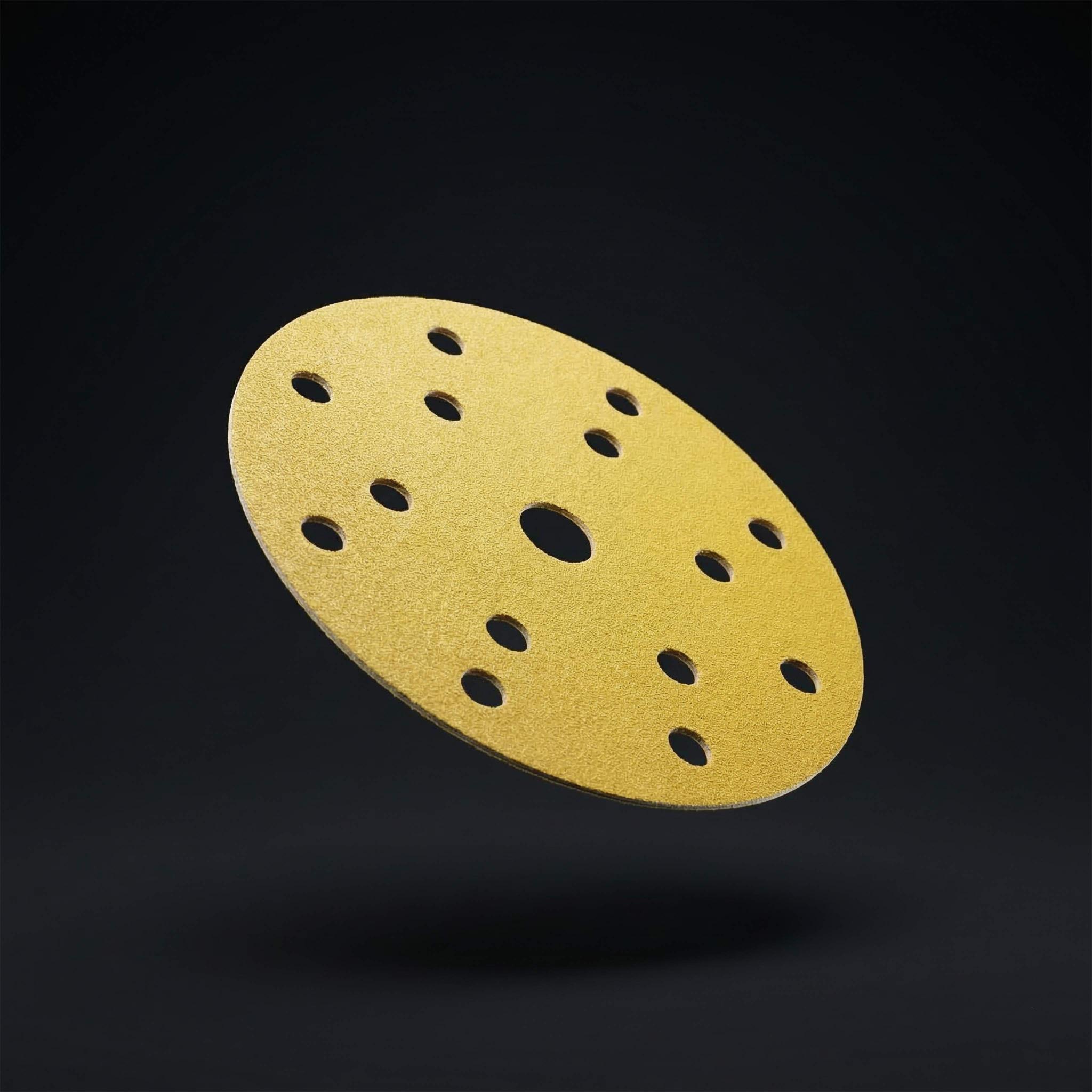
SPX 150mm Ceramic Sanding Discs - Cuts Faster, Lasts Longer | 15-Hole | 120–1200 Grit | 100 Pack
DiscsIn stock

SPX 150mm Ceramic Sanding Discs - Cuts Faster, Lasts Longer | 15-Hole | 120–1200 Grit | 100 Pack

Pros don’t have time for discs that die halfway through the job. Cheap sanding discs might look cheaper upfront, but on the job they cost you more...

$78.54
GST included
View product
 SPX 150mm Ceramic Sanding Discs - Cuts Faster, Lasts Longer | 15-Hole | 60–80 Grit | 50 Pack
DiscsIn stock

SPX 150mm Ceramic Sanding Discs - Cuts Faster, Lasts Longer | 15-Hole | 60–80 Grit | 50 Pack

You're not paying for discs. You're paying for every minute you waste changing them. Every worn-out disc is a break in your rhythm, machine off, di...

$43.20
GST included
View product
SPX Sanding Ironhead Yellow Ceramic 100x150mm - 60-80 Grit (50 pcs)
IronheadIn stock

SPX Sanding Ironhead Yellow Ceramic 100x150mm - 60-80 Grit (50 pcs)

SPX Yellow Ceramic Sanding Disc – Ironhead 100 × 150 mm (7-Hole) Professional-grade performance for precision sanding and detailed surface finishin...

$34.60
GST included
View product
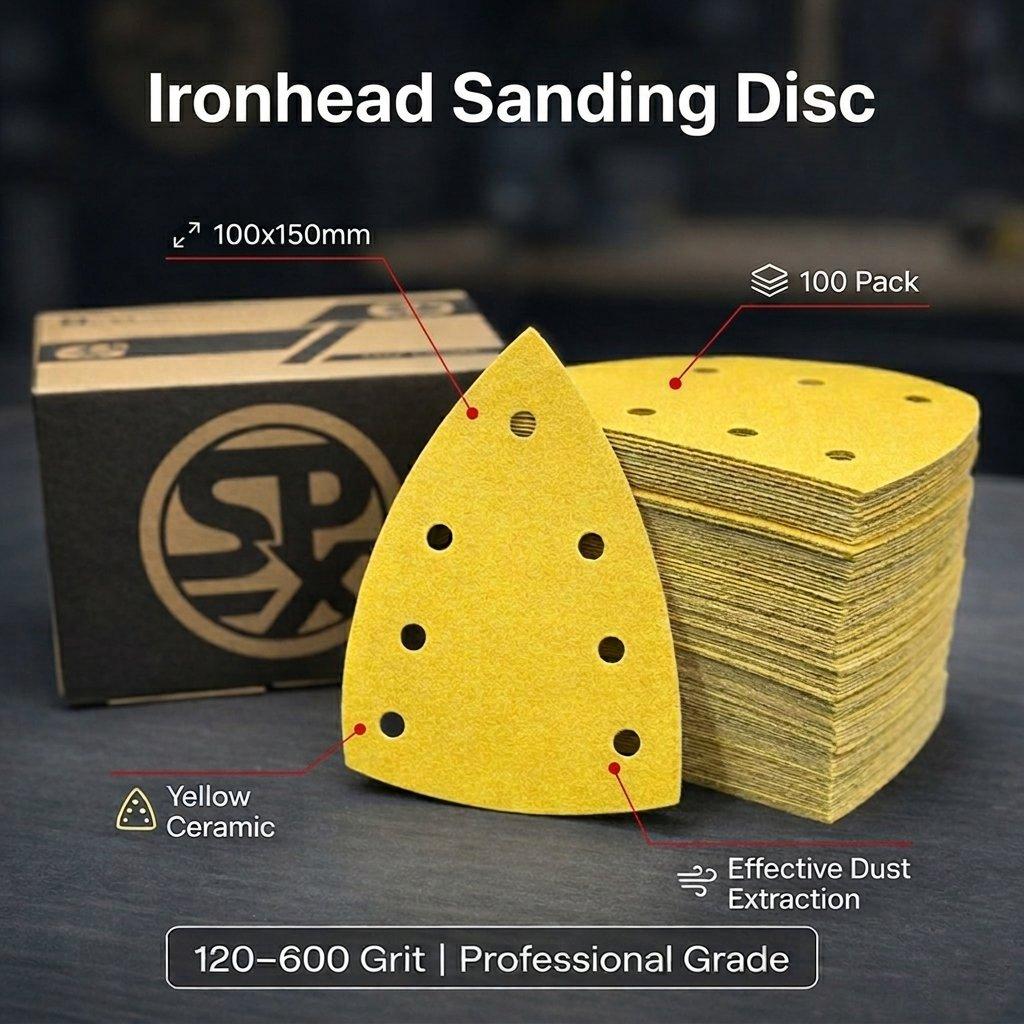
SPX Sanding Ironhead Yellow Ceramic 100x150mm - 120-600 Grit (100 pcs)
IronheadIn stock

SPX Sanding Ironhead Yellow Ceramic 100x150mm - 120-600 Grit (100 pcs)

SPX Yellow Ceramic Sanding Disc – Ironhead 100 × 150 mm (7-Hole) Professional-grade performance for precision sanding and detailed surface finishin...

$70.13
GST included
View product
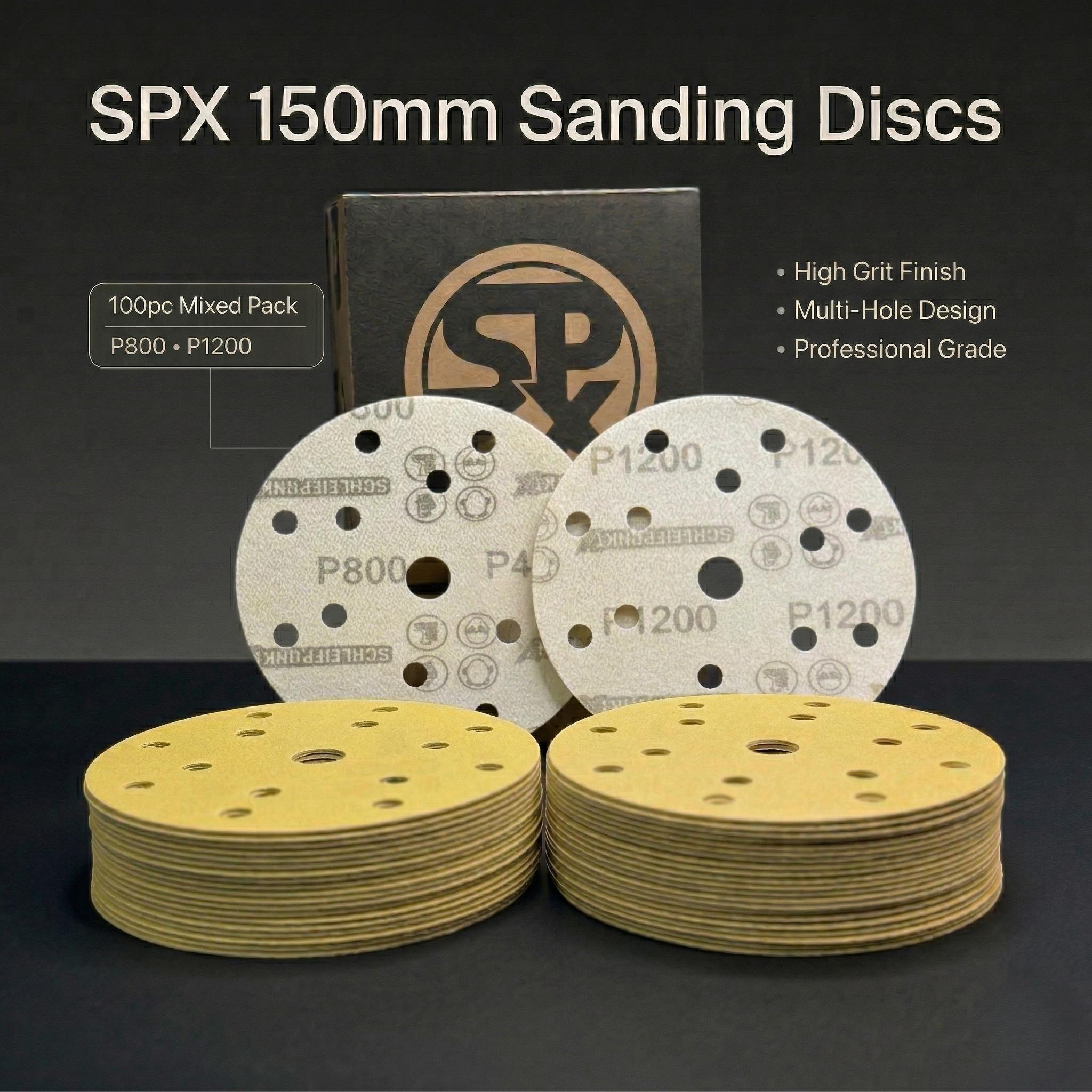
SPX 150mm Sanding Disc – MIXED High Grit Pack (100pcs)
DiscsIn stock

SPX 150mm Sanding Disc – MIXED High Grit Pack (100pcs)

SPX 150mm Sanding Disc – Mixed High Grit Pack (100pcs) Grits: 50 × P800, 50 × P1200 The SPX Mixed High Grit Pack is built for ultra-fine finishing,...

$86.39
GST included
View product
SPX 150mm Sanding Disc – MIXED Low Grit Pack (100pcs)
DiscsIn stock

SPX 150mm Sanding Disc – MIXED Low Grit Pack (100pcs)

SPX 150mm Sanding Disc – Mixed Low Grit Pack (100pcs) Grits: 25 × P80, 25 × P120, 25 × P180, 25 × P240 Get the perfect balance of cut, control, and...

$86.39
GST included
View product

Why ceramic discs outperform standard abrasives

This page wins on material intent, so the message needs to stay focused on what changes when the abrasive itself is better.

Stronger cut retention

Ceramic discs are bought to keep cutting with less drop-off as the job continues, which matters when one operator is working through repeated prep stages all day.

Less time lost to changeovers

Fewer disc swaps mean fewer stop-start interruptions. That makes a stronger case for ceramic in production environments than in occasional DIY use.

More consistent finish control

When the disc stays productive for longer, buyers typically get a steadier scratch pattern and less temptation to push a worn disc past the point where it should have been replaced.

Where ceramic sanding discs work best

Ceramic discs make the most sense where the abrasive is doing real work rather than just tidying a surface. Filler shaping, primer preparation, paint prep, hard timber coatings, and metal work all reward a disc that holds cut and reduces downtime.

That does not mean every stage needs the most aggressive option. It means buyers should use ceramic where the labour saving is obvious and keep the grit spread sensible for the workflow they actually run.

Typical ceramic applications

  • Shaping filler where clean, aggressive cut matters
  • Primer sanding where consistency and speed matter together
  • Automotive paint prep that needs repeatable control across many panels
  • Hard coating, wood, and metal prep where standard discs slow down too quickly

Ceramic disc grit guide

Keep the guidance tight and commercial: buy the grit spread that matches the stage, then let ceramic do the performance work inside that stage.

Lower grits

Best kept for aggressive correction, filler work, and jobs where removal rate is the priority.

Mid grits

Useful for primer sanding, levelling, and the main body of preparation work in panel and trade workshops.

Higher grits

Bought for finishing transitions, finer paint prep, and stages where scratch consistency matters more than raw removal speed.

Cost per job, not just cost per packet

This is the commercial comparison ceramic pages need. Cheap packs can look attractive until the labour cost of extra swaps and inconsistent finish quality starts showing up.

Decision pointCheaper standard discSPX ceramic disc
Disc changesMore likely to interrupt the job sooner as cut drops away.Usually selected to reduce change frequency across repeated tasks.
DowntimeLower upfront price, but more interruptions if the abrasive fades quickly.Higher performance profile aimed at keeping the operator on the job for longer.
Finish consistencyCan become less predictable once the disc is being stretched too far.Chosen when a cleaner, steadier scratch pattern matters to the next stage.
Best buying caseLight-duty or highly price-led work.Busy workshops and repeat users who care about throughput and repeatability.

Why SPX ceramic discs

The SPX case is straightforward: 150mm buying relevance, 15-hole fitment where dust extraction matters, grit coverage for trade use, and local Australian fulfilment that makes repeat ordering easier. The goal is not to create a generic ceramic category clone, but to keep the performance promise attached to commercial reality.

Buyers who need exact compatibility can move into the 15-hole page. Buyers who need a broader size-led view can move back into the 150mm page. This page stays anchored on material performance and value over repeated work.

Best for workshops and repeat buyers

  • 150mm ceramic disc options
  • 15-hole dust extraction pathways
  • Trade buying and repeat ordering support
  • Australian fulfilment from Melbourne

Ceramic sanding discs FAQ

Are ceramic sanding discs better than aluminium oxide?+
For many trade workflows, yes. Ceramic discs are typically chosen because they hold cut longer, stay productive through repeated use, and reduce disc changes on harder or more repetitive work. Aluminium oxide can still suit lighter jobs, but ceramic generally wins on performance intent.
Do ceramic discs last longer?+
Ceramic discs are usually bought because they maintain a stronger cut over a longer run and resist performance drop-off better than cheaper options. That longer useful life is what makes them commercially attractive, especially when labour time matters more than the ticket price of one pack.
Are ceramic sanding discs worth it for panel shops?+
They are often worth it in panel shops because the work is repetitive, time-sensitive, and quality-sensitive. A disc that cuts faster and needs fewer swaps can lower interruption costs across the day while keeping the scratch pattern more consistent.
Which grit ceramic disc should I use for primer or filler?+
Filler shaping usually starts at lower grits, while primer sanding lives in the middle of the range and finishing work moves higher. The right answer depends on the stage, but most workshops keep a spread that covers coarse stock removal through to finer paint prep.

Ready to buy ceramic for workshop use, not just shelf price?

Move straight into the product grid, or use the wholesale route if you are stocking ceramic discs for repeated panel shop, refinishing, or trade-counter work.