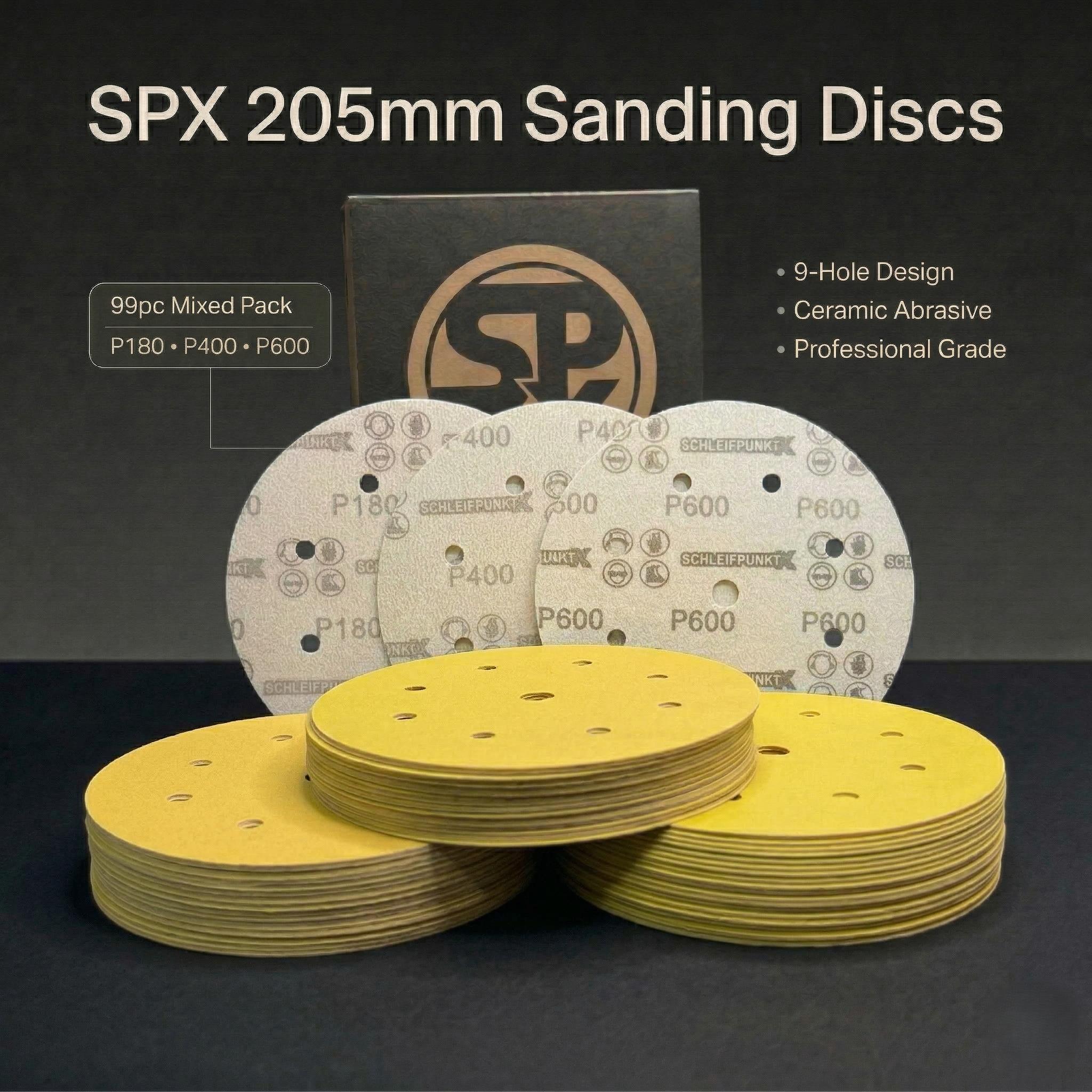
Bottom line: SPX is a strong alternative to 3M for Australian panel shops that want trade-focused sanding discs, practical 150mm formats, ceramic options, dust-extraction compatibility, and local supply. 3M makes excellent abrasives and suits shops already locked into its full tool ecosystem — but most refinishers do not need the whole catalogue to get a clean, fast cut.
This page is meant to be useful, not a sales pitch. It lays out where each brand fits, where SPX genuinely competes, and where 3M might still be the better call — so you can make the decision a workshop owner would actually make.
The short version for buyers who already know the brands. Read the sections below before you decide — the right answer depends on how your shop actually buys and works.
| Category | SPX | 3M | Best fit |
|---|---|---|---|
| Main use case | Automotive sanding and refinish workflow | Broad industrial and automotive abrasive range | SPX if refinish is your core work |
| Disc sizes | 150mm-focused trade range | Wide range across many formats | SPX for standardised 150mm shops |
| Ceramic options | Yes — built for cost-per-job cut | Yes — Cubitron precision-shaped grain | 3M for premium cut reputation, SPX for value |
| Dust extraction | 15-hole options | Multiple proprietary hole patterns | Match to your machine setup |
| Supply model | Australian trade/wholesale, Melbourne dispatch | Distributor and retail network | SPX for simple local repeat supply |
| Best buyer | Panel shops, refinishers, trade users | Buyers standardised on the 3M ecosystem | Depends on your priority |
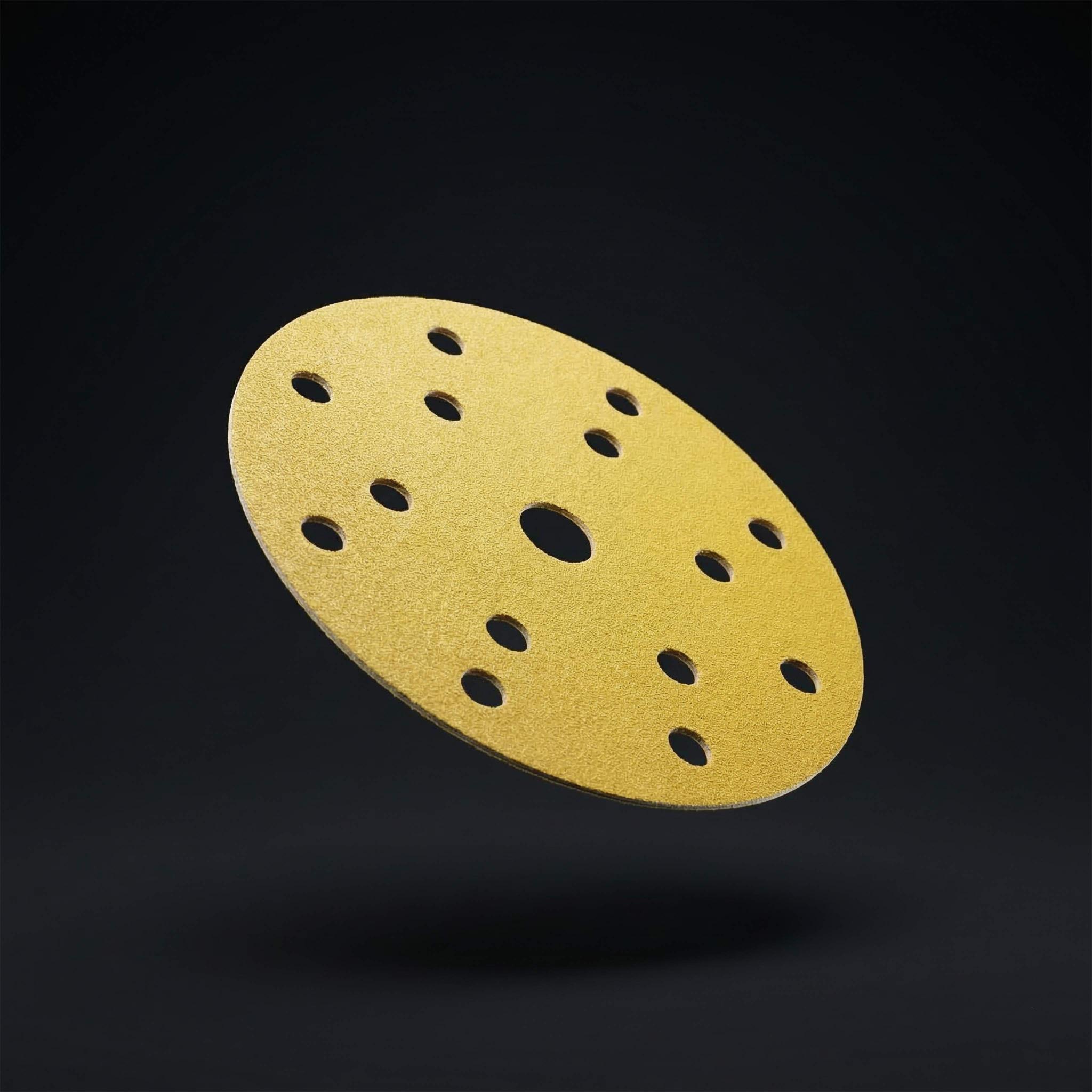
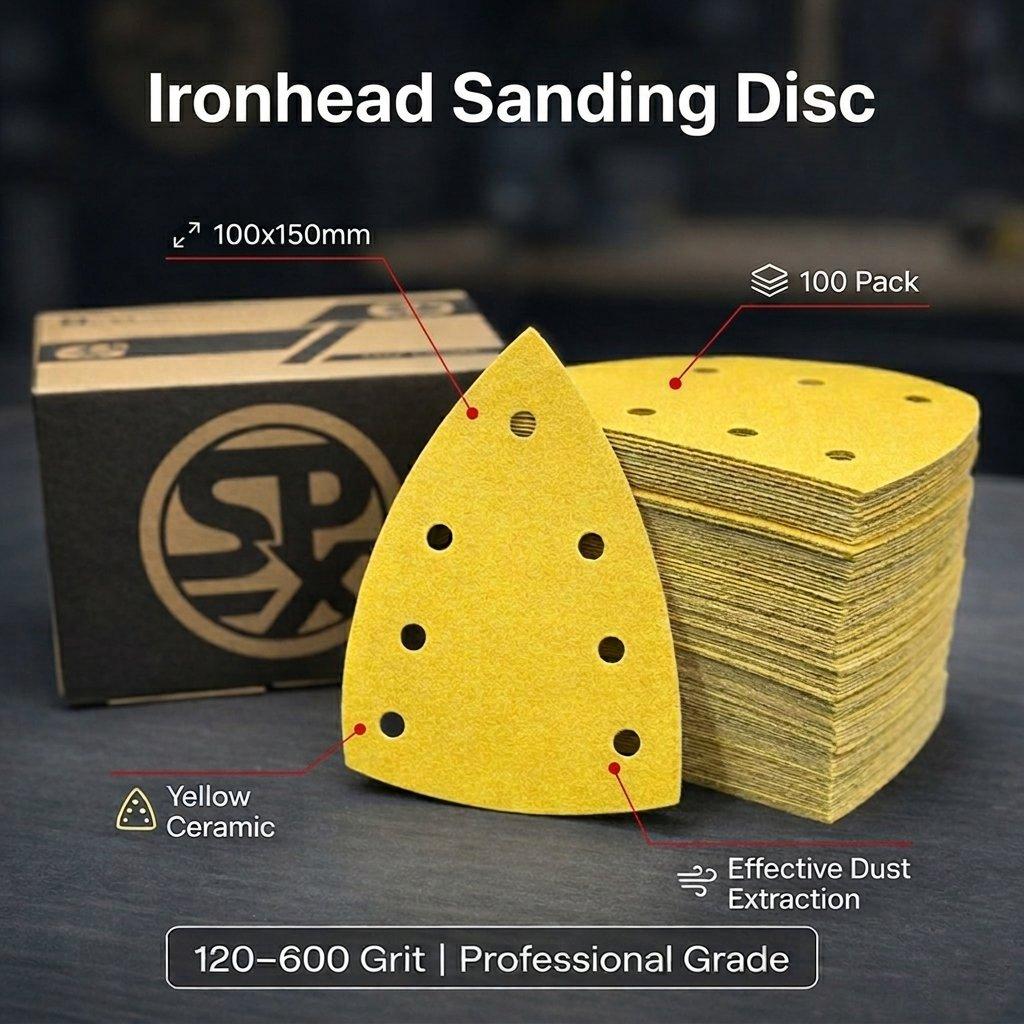
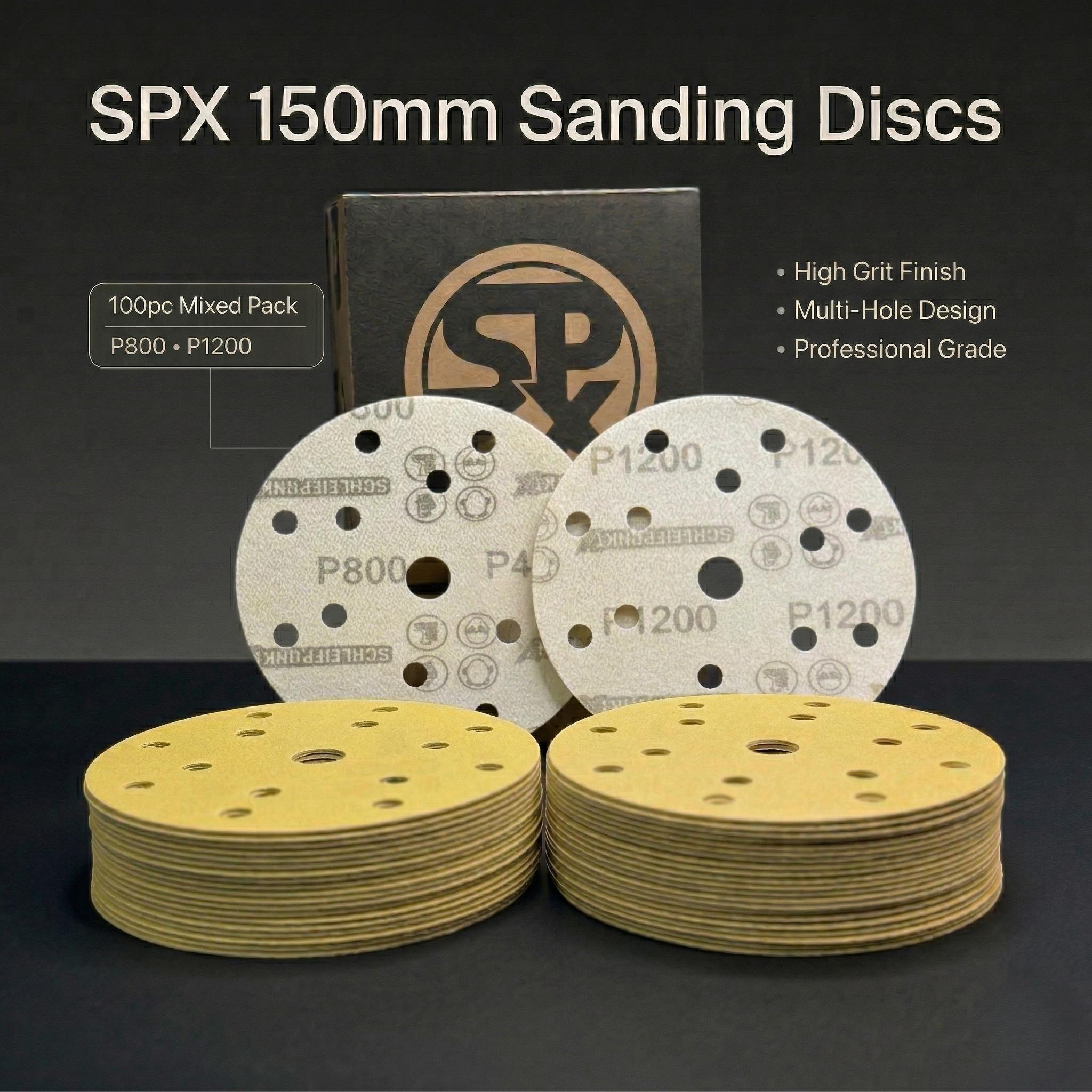
These are the SPX ceramic 150mm discs most buyers compare against 3M Cubitron and 3M's premium ceramic lines. Check grit, pack style, and price before reading the performance notes below.

Pros don’t have time for discs that die halfway through the job. Cheap sanding discs might look cheaper upfront, but on the job they cost you more...

You're not paying for discs. You're paying for every minute you waste changing them. Every worn-out disc is a break in your rhythm, machine off, di...

This 120-600 grit box of 100 is your everyday finishing range — the discs that step a surface through primer and sealer down to a clean pre-clear o...

Choose from Low, Medium or High Grit SPX 150mm Sanding Disc – Mixed Low Grit Pack (100pcs) Grits: 25 × P80, 25 × P120, 25 × P180, 25 × P240 Get the...

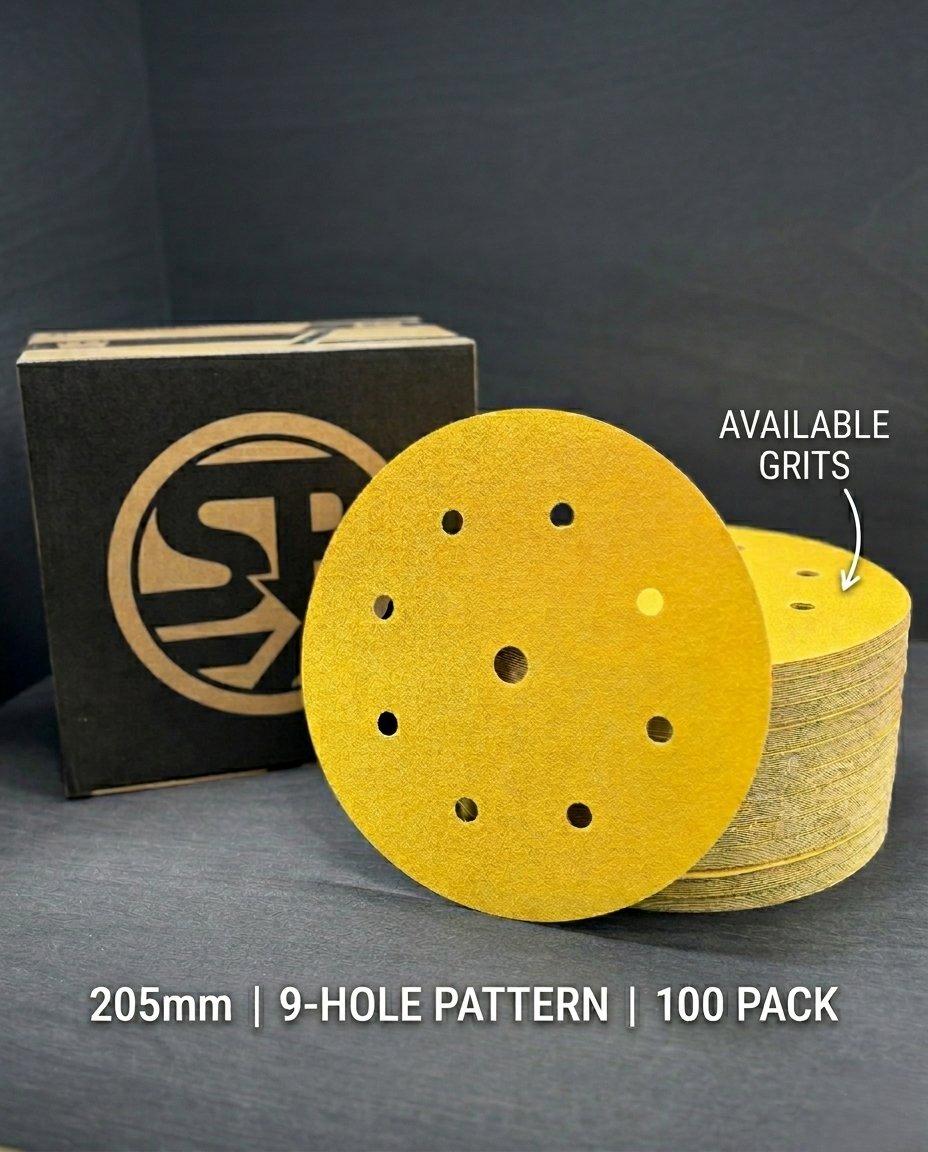
SPX Yellow Ceramic Sanding Disc – 205 mm (9-Hole) Professional-grade performance for cabinetmakers, spray painters & surface finishers. Enginee...

SPX Yellow Ceramic Sanding Disc – 205 mm (9-Hole) Professional-grade performance for cabinetmakers, spray painters & surface finishers. Enginee...
Brand arguments are easy to win on paper and hard to trust. The honest way to compare SPX and 3M is to put them on the same panel, in the same hands, at the same stage — then count what changed. Here is the in-house benchmark we run before recommending anything.
Across the SPX ceramic products shown on this page.
From approved reviews on matching SPX ceramic discs.
In the SPX paint shop, a 150mm SPX ceramic disc in P320 was run through black guide coat on a 2K system using a Festool ETC-5. The sanding pass came in at 50 seconds with a clean, even scratch pattern — the kind of cut most shops expect to pay a premium ceramic price for. That is the bar we hold SPX to against 3M, not a marketing line.
Keeping this grounded matters. Both brands make good abrasives — they just sit in different places in the market.
3M is a global manufacturer with a deep abrasive and tooling ecosystem. Cubitron, its precision-shaped ceramic line, has a strong reputation for fast, consistent cut, and the brand is a safe default for shops that want one supplier across many product types. You are buying proven performance and breadth — and paying for it.
SPX focuses on the abrasives a refinish workshop uses constantly: ceramic 150mm discs, 15-hole dust extraction formats, and trade supply built for repeat ordering. The range is narrower on purpose, which is how the cost per job stays competitive with premium brands.
For the core panel-shop jobs — filler, primer, guide coat, paint prep — both brands cover the same stages with ceramic and standard options. This is exactly where it is worth comparing on cost per job rather than brand name.
3M's Cubitron line is built around precision-shaped ceramic grain — triangular grain structures that 3M says fracture to keep slicing rather than dulling, which is a real and well-documented technology, not marketing. It is one reason Cubitron has a strong reputation for fast, cool cut in coarse work.
SPX ceramic discs use self-sharpening ceramic grain aimed at the same outcome panel shops care about: holding the cut through filler and primer stages so you change discs less often. We are careful not to claim the grain geometry is identical — it is not, and the exact shaping differs by manufacturer. What we do claim is narrower and testable: on the everyday refinish stages, SPX ceramic is built to give most of that fast, sustained cut at a lower cost per job. The only honest proof is a side-by-side test on your own panel, which is exactly what the methodology below sets out.
Cautious by design: where exact 3M specs vary by line and region, this stays general. Always confirm fitment against the specific 3M product you currently run.
| What you are buying | SPX | 3M |
|---|---|---|
| 150mm sanding discs | Core focus of the range, built for the 6-inch workshop standard | Available across multiple lines and formats |
| Ceramic discs | Yes — positioned for cost-per-job cut | Yes — Cubitron precision-shaped grain |
| 15-hole dust extraction | Yes — dedicated 15-hole options | Multiple proprietary hole patterns by line |
| Grit range | Coarse cut through to fine prep for refinish work | Very broad across industrial and automotive use |
| Hook-and-loop fitment | Standard 150mm hook-and-loop | Standard, but confirm hole pattern to pad |
| Supply | Direct trade/wholesale, Melbourne dispatch | Through distributor and retail channels |
This is the section that actually decides the order. The better question is not which disc has the lowest packet price. It is which disc gives the best cost per job once you include disc life, cut consistency, labour time, dust control, and rework risk.
3M can absolutely earn its price in shops that run its discs hard and value the ecosystem. But a lot of refinishers discover that a well-made ceramic disc at a lower price closes most of the gap on the stages that matter. When SPX changes fewer discs through filler and primer than a cheap standard disc, and costs less than a premium 3M line, the cost-per-job maths usually lands in SPX's favour.
Run your own numbers. Take one job, count the discs used and the minutes spent, and compare. That single test tells you more than any brand claim on this page.
Packet price hides the real number. Here is the simple sum that matters: if a better ceramic disc saves even one or two disc changes on a job, the labour saved can outweigh a higher price per disc. The figures below are an illustration to show the method — plug in your own labour rate and disc prices, because both vary by shop.
| Per filler-shaping job | Cheaper standard disc | Stronger ceramic disc |
|---|---|---|
| Disc changes to finish the stage | 3 discs | 1 disc |
| Time lost to changeovers | ~2 extra stops | none |
| What decides it | Lowest packet price | Labour saved per job often beats the price gap |
The point is not the exact numbers — it is the method. At trade labour rates, a few minutes saved per job, repeated across a week, usually dwarfs the difference in disc price. That is the lens to apply to both SPX and 3M.
If you only run one comparison, run it here. These are the refinish stages where ceramic cut and disc life show up most clearly, with a sensible starting grit for each.
| Stage | Starting grit | What to watch |
|---|---|---|
| Filler shaping | P80 – P120 | Disc changes to flatten the filler, and whether the cut stays fast to the end. |
| Primer sanding | P180 – P240 | How evenly the primer levels and whether the disc glazes before the panel is done. |
| Guide coat sanding | P320 | Scratch consistency and how cleanly the guide coat lifts without chasing it. |
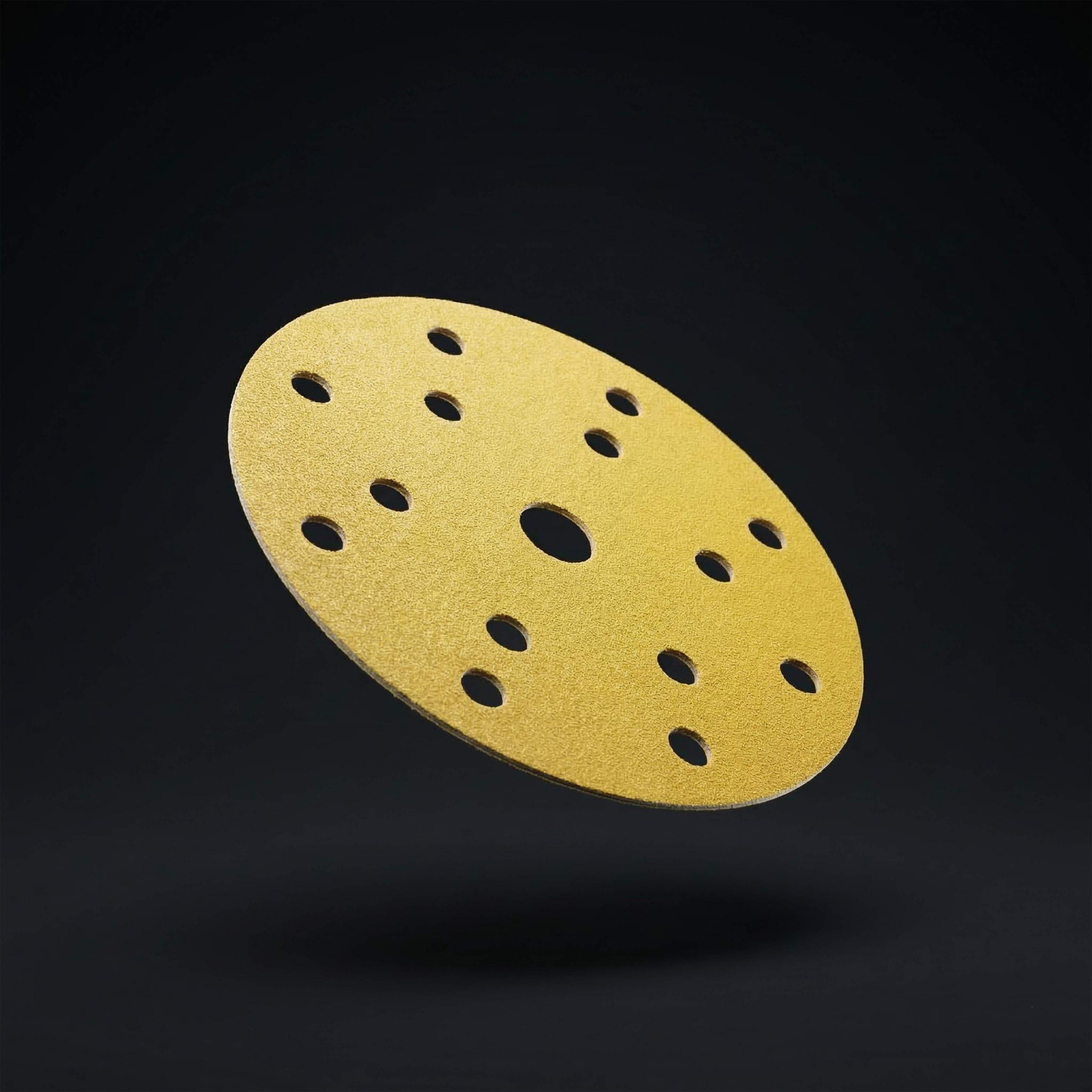
Dust extraction is where fitment quietly catches people out when they switch brands. For shops using compatible backing pads, 15-hole sanding discs can support better dust extraction by helping move sanding debris away from the work surface. The right choice depends on the sander and pad system already in the workshop.
If you currently run a 3M pad with a specific hole pattern, the safest move is to confirm the SPX hole count matches your extraction before you reorder in volume. Get that right and the switch is seamless; get it wrong and you lose pickup regardless of how good the disc is.
SPX is a strong fit for:
3M may be the better fit if:
For Australian panel shops weighing SPX against 3M, SPX is best viewed as a practical, trade-focused alternative — not a like-for-like clone of a multinational catalogue. 3M earns its place in shops built around its ecosystem and willing to pay for it.
But if your workshop wants strong ceramic performance, simple local supply, 150mm formats, dust-extraction options, and a workflow-based sanding setup, SPX deserves to be on the shortlist. Run the 10-minute test on one real job, look at cost per job, and let your own numbers settle it.
Follow the decision into format, fitment, and trade supply without heading back to the catalogue.
Where ceramic cut pays off versus standard and premium discs.
Stage-by-stage workflow from filler through to paint prep.
Full grit selection guide for the 6-inch workshop standard.
Comparing against Mirka instead? Start here.
SPX Abrasives is a Melbourne, VIC supplier of professional sanding abrasives for retail, trade, and wholesale buyers across Australia. This comparison is written and checked by people who sell, test, and use these discs in a working paint shop.
Disclaimer: competitor specifications vary by product line and region and can change over time. Brand names are used for comparison and identification only. Always confirm disc and hole-pattern fitment against your own sander and pad before switching.
Competitor positioning in this comparison is checked against official manufacturer information. We do not copy competitor content; links are provided so you can verify claims yourself.
Order a trade pack, run it on one real job, and compare cost per job for yourself. Wholesale options are available for repeat-volume buying.