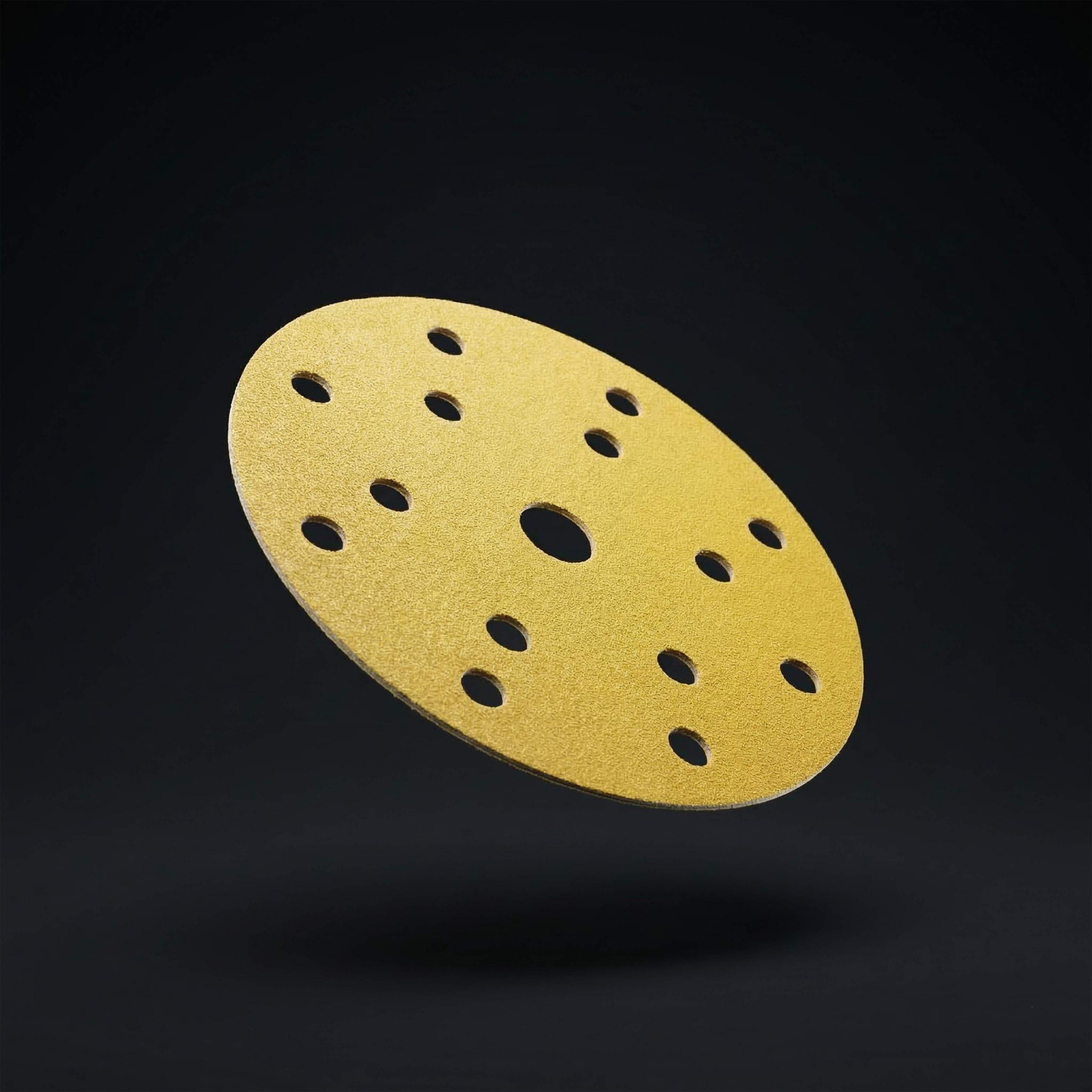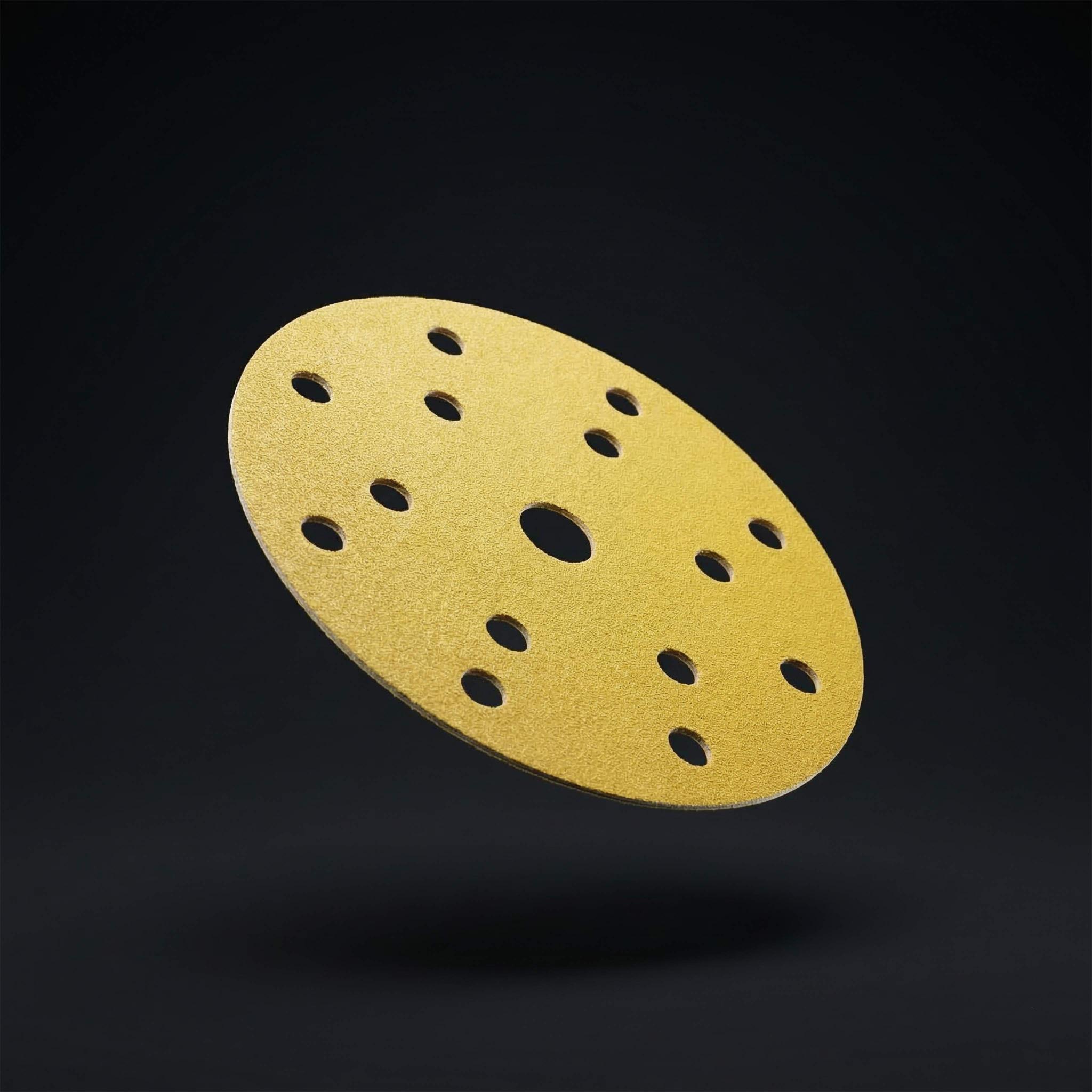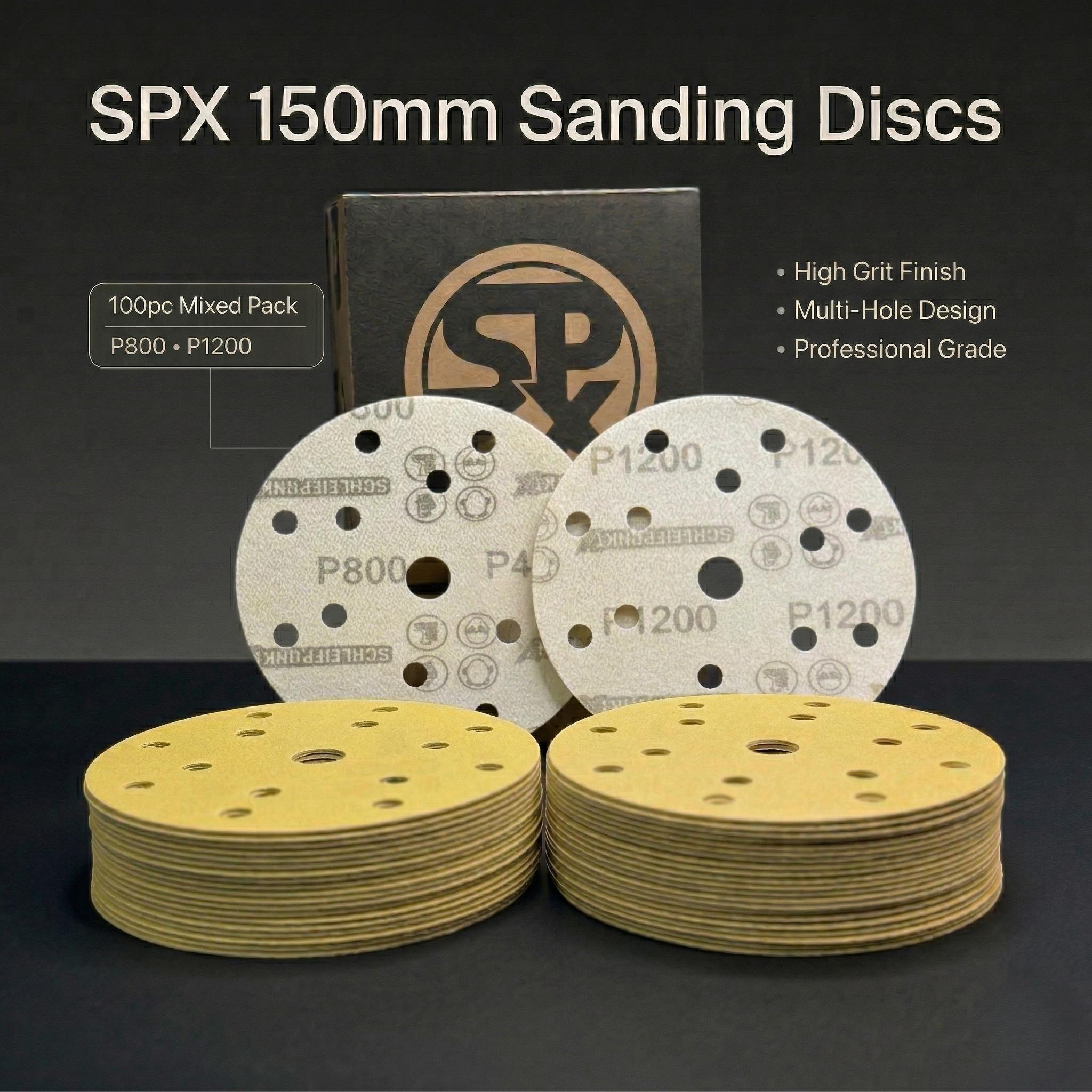
15 hole sanding discs australia

15 Hole Sanding Discs for 150mm DA Sanders

This page is built for spec-led buyers who already know the hole pattern matters. The goal is not to re-explain sanding discs in general, but to give a direct route into 150mm 15-hole products, clear compatibility context, and fast links into related ceramic and trade pages.

SPX positions 15-hole discs around dust extraction, hook-and-loop convenience, ceramic performance, and trade use. If fitment certainty is the first question in the buying process, this page should answer it faster than a broad category page can.

150mm formatDust extraction readyHook-and-loop backingCeramic options available

Why 15-hole discs matter

This page needs to resolve the fitment question quickly, but it also needs to explain why buyers care about the pattern in the first place.

Cleaner sanding face

A matched 15-hole setup helps pull dust away from the working surface, which can keep the panel clearer and improve operator visibility.

Reduced clogging pressure

Better extraction generally means less loading pressure on the abrasive, especially during repetitive prep stages in automotive workflows.

More reliable process control

When buyers run the right pattern on the right pad, they get more predictable dust handling and fewer compatibility doubts on reorders.

Compatible applications

15-hole discs are not just an automotive story, but that is where the fitment conversation is usually the strongest. Panel shops and refinishing workshops care about clean extraction because it supports visibility, keeps the process tidier, and reduces unnecessary rework.

The same pattern logic also applies to woodworking and metal prep when buyers are using compatible 150mm DA systems and want reliable dust control without stepping into a broader multi-pattern discussion.

Best fit use cases

  • Automotive sanding and refinishing prep
  • Workshop sanding where cleaner extraction is a priority
  • Wood and coating prep on compatible 150mm DA systems
  • Metal prep workflows that benefit from better dust evacuation

15-hole vs other hole patterns

Keep the comparison short and practical on the landing page, then push deeper evaluation into the support asset rather than overloading this fitment page.

Decision point15-holeOther patterns
Why buyers search itBecause they already know the exact pad pattern they need.Because they are still comparing systems or working across mixed tool setups.
Best page typeDirect commercial landing page with compatibility language near the top.Support guide or broader category page that explains system differences.
Main purchase concernFitment certainty and dust extraction performance.Whether a broader multi-pattern solution is more appropriate for the workshop.

Available grit ranges

The pattern question gets the buyer onto the page, but the stock decision still happens at the grit level.

Coarse stock

Keep lower grits ready for aggressive prep, filler shaping, and faster correction work.

Primer stock

Mid-range grits usually cover primer sanding, levelling, and the bulk of workshop preparation.

Finishing stock

Higher grits support finer prep, surface refinement, and cleaner hand-off into paint or finishing stages.

Best 15-hole disc setups for panel shops

The safest stock approach is to build around the stages you run every week instead of trying to over-optimise for every one-off job. A practical panel shop setup usually separates coarse prep, primer stock, and finishing stock so operators do not have to improvise from a thin shelf.

Coarse stock

Lower grits for filler shaping, fast correction, and aggressive prep where cut rate matters first.

Primer stock

Mid-range grits for levelling, smoothing, and the main body of panel preparation before paint.

Finishing stock

Higher grits for final prep, refinement, and cleaner transitions into paint-ready stages.

15-hole sanding discs FAQ

What are 15-hole sanding discs used for?+
15-hole sanding discs are used on compatible 150mm DA sanding setups where dust extraction matters. The hole pattern helps draw debris away from the sanding face, keeping the surface clearer and helping reduce loading through the job.
Are 15-hole discs better for dust extraction?+
They can be, provided the disc and backing pad are matched correctly. The point of the 15-hole pattern is to improve airflow and dust removal, which can help visibility, reduce clogging, and keep the abrasive working cleaner.
Do 15-hole discs fit all 150mm sanders?+
No. Diameter alone is not enough. Buyers need to confirm the pad pattern as well as the 150mm size, because different DA setups use different extraction layouts.
What grit should I keep in stock for a panel shop?+
Most panel shops keep a spread that covers heavy prep, primer sanding, and finishing rather than one single grit. Lower grits handle aggressive prep, mid grits handle primer and levelling, and higher grits cover finishing and paint-ready transitions.

Need fitment certainty and repeat supply?

Use the product grid for direct buying, or move into the wholesale page if you are standardising 15-hole stock across a workshop, panel shop, or trade account.