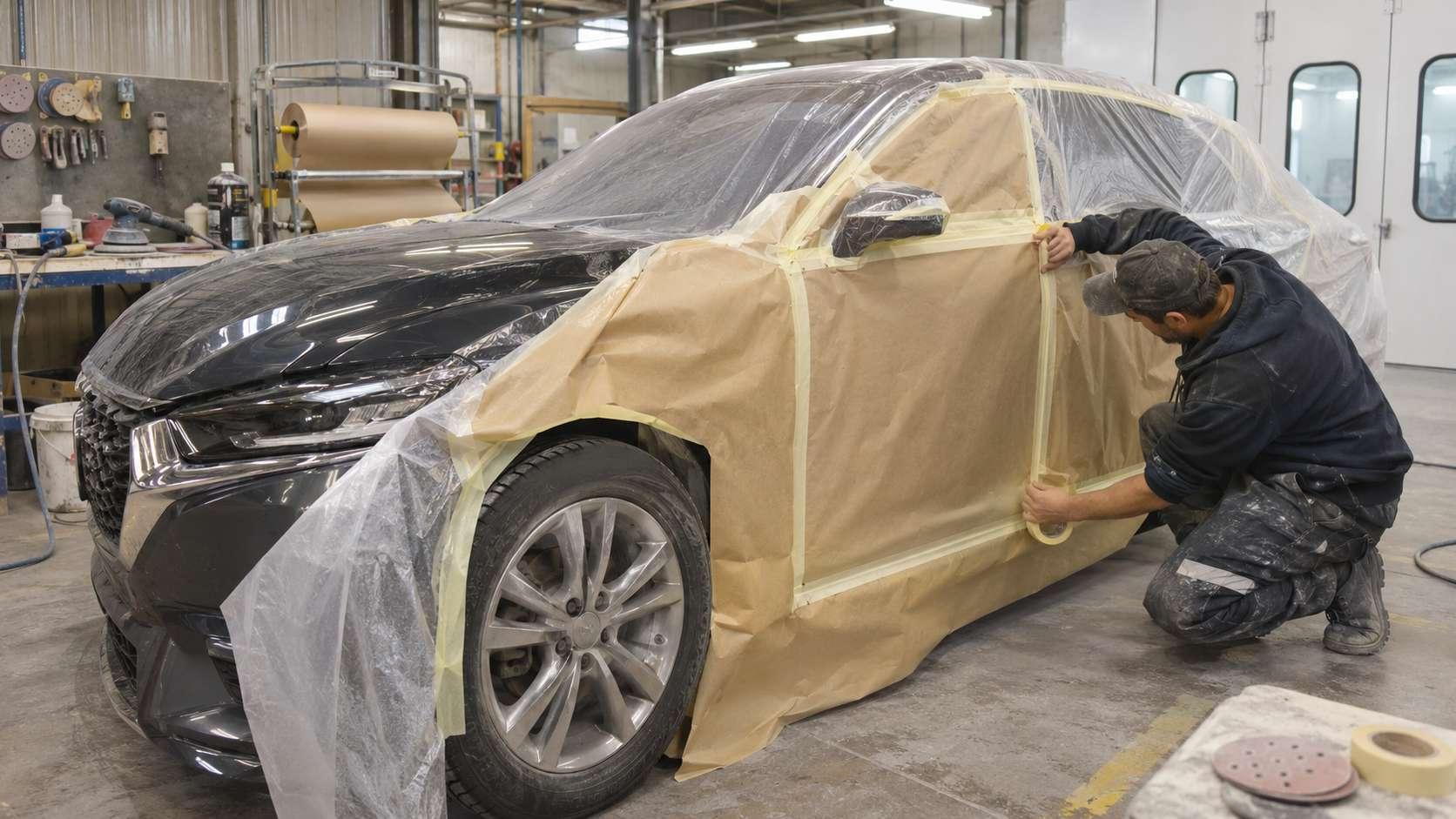
Best Masking Tape for Spray Painting: Widths, Clean Edges & Heat Resistance
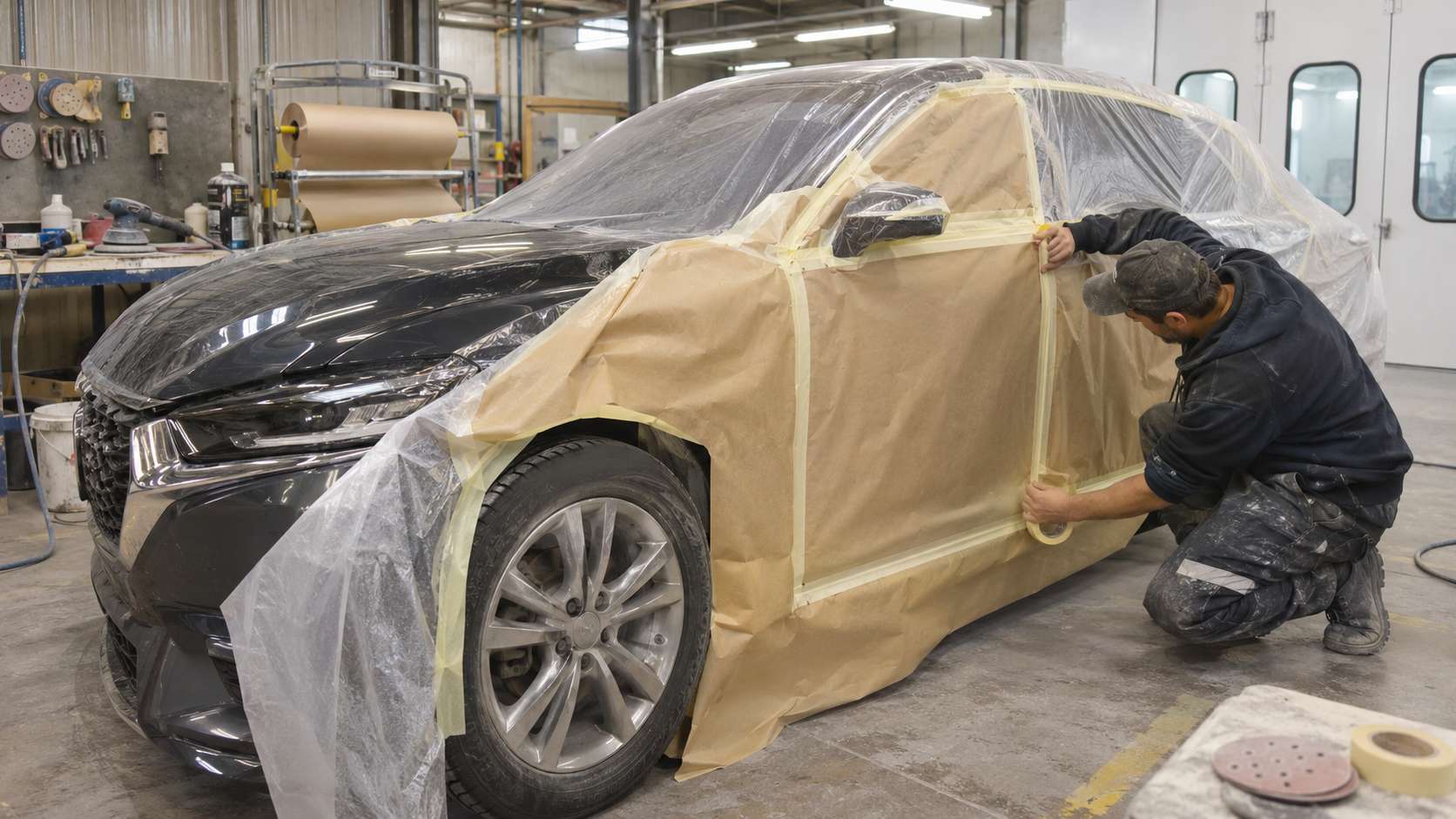
Quick answer: For most general automotive masking jobs that do not involve oven baking, 25mm paper masking tape is a useful all-rounder. Choose 15mm for narrow trim and gentle curves, 35mm for broader borders, and 45mm to hold masking paper or film. For tight two-tone graphics, use dedicated fine-line tape. If the job involves a heated bake cycle, use tape with a documented temperature rating. SPX 30-day masking tape is not recommended for oven baking.
The best masking tape for spray painting depends on more than its width. The condition of the existing finish, the paint being applied and how long the tape stays in place all affect the result. Here's a practical guide for Australian spray painters, panel shops, vehicle restorers and cabinet makers.
Browse SPX automotive masking tape to compare the available widths.
Key takeaways: choose tape by the job
| Tape | Best suited to | Why choose it |
|---|---|---|
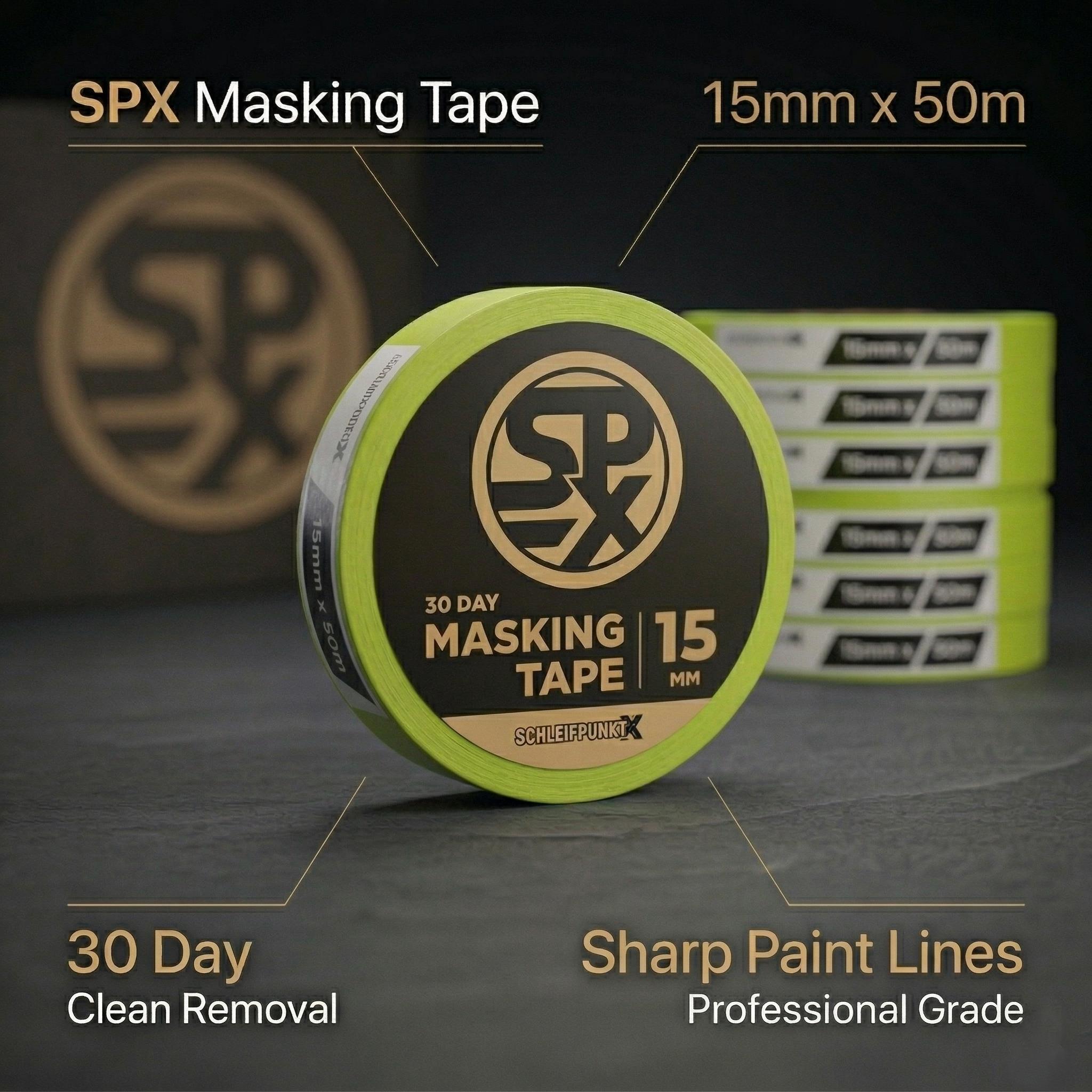
| 15mm SPX masking tape | Narrow trim, detail work and gentle curves | More control in confined areas |
| 25mm SPX masking tape | General panel edges and everyday masking | A practical all-round width |
| 35mm SPX masking tape | Wider borders and trim sections | Broader overspray margin |
| 45mm SPX masking tape | Securing masking paper and film | More surface area to anchor coverings |
| SPX mixed tape pack | Workshops handling several masking tasks | Two rolls of each width |
Important: None of the SPX tapes listed here should be treated as oven-bake-rated. Always check the product guidance before exposing masking materials to a heated cure cycle.
What Is the Best Masking Tape for Spray Painting?
For a routine repair panel being sprayed and cured without an oven-bake cycle, a quality paper masking tape in a manageable width is generally the sensible starting point. The tape needs to stay down through the spray session, hold a tidy edge and come away without damaging the surface underneath.
That last point deserves attention. A tape that works on sound, fully cured factory paint may behave differently on an older respray, a delicate plastic trim or a recently painted panel. Test an inconspicuous spot where the surface is uncertain, and follow the coating manufacturer's guidance before masking fresh paint.
For most panel shops, 25mm covers the day-to-day work. Keep narrower and wider rolls on hand rather than forcing one size to do every job. You can find those options in the SPX masking tape range.
Masking Tape Width Guide: 15mm vs 25mm vs 35mm vs 45mm
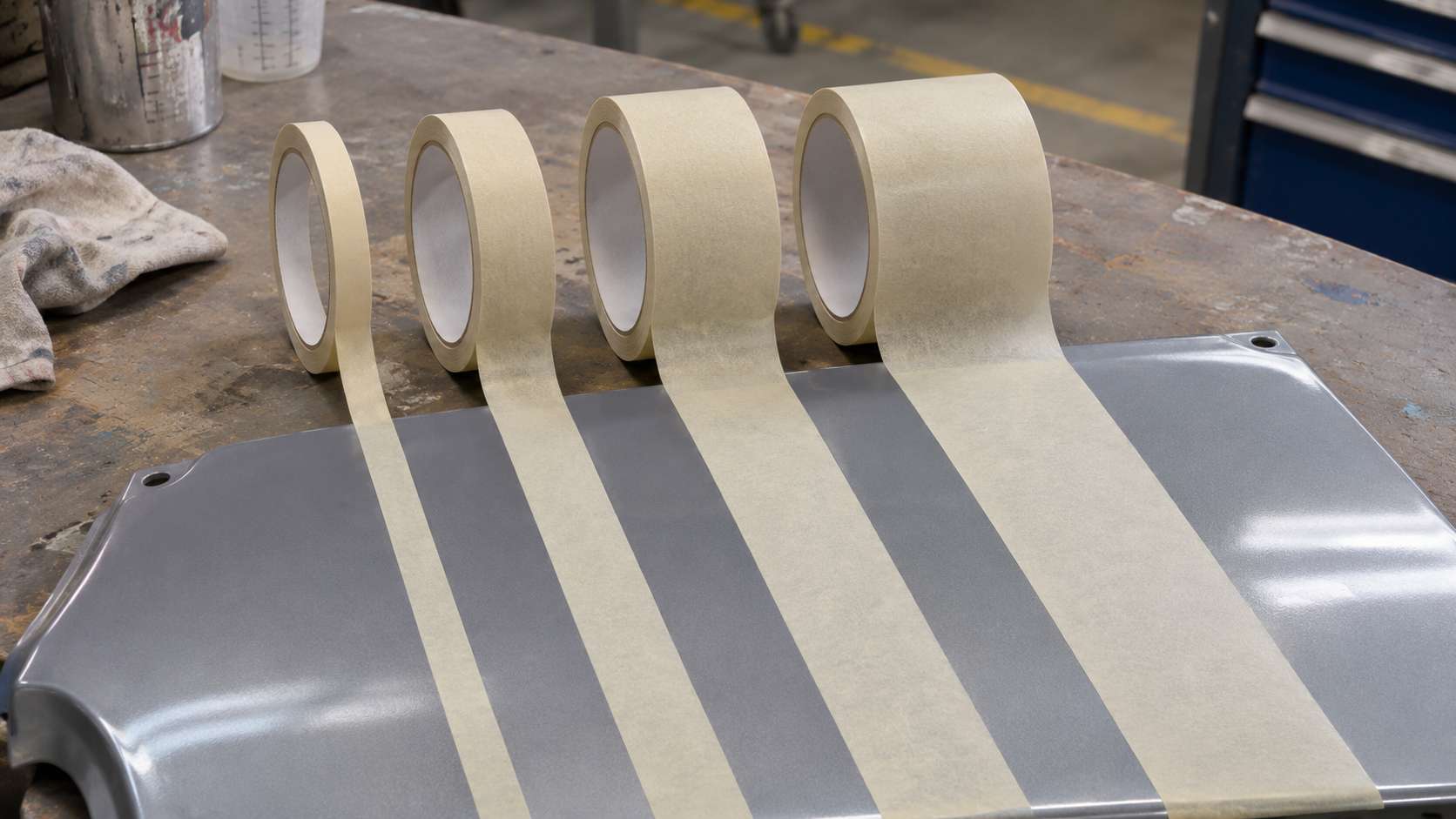
Width changes how easily you can follow a contour, how much of the surrounding surface you protect and how securely you can fasten masking paper. All four SPX widths are supplied as 50m rolls. The right choice is the one that sits flat on the job without unnecessary folds or joins.
15mm Masking Tape: Trim, Detail Work and Gentle Curves
Recessed handles, badge areas and narrow trim lines can be awkward with a wide roll. A 15mm strip is easier to position without covering more of the panel than necessary. It is also more manageable on gentle contours.
Don't confuse narrow paper tape with specialist vinyl fine-line tape, though. For tight radii, pinstripes or a highly visible two-tone break, dedicated fine-line tape is usually the better choice.
View SPX 15mm x 50m masking tape.
25mm Masking Tape: The Everyday Automotive Choice
If you're stocking one width for regular non-bake masking, start here. A 25mm roll handles door edges, straight sections, general trim masking and the joins between paper and painted surfaces without feeling oversized.
It is particularly handy during smaller repair jobs where you move between a straight panel edge and a modest curve. You'll still need paper or film to cover large adjacent areas; a single strip of tape is not a substitute for proper overspray protection.
View SPX 25mm x 50m masking tape.
35mm Masking Tape: Wider Edges and Overspray Margins
The extra width earns its keep along broad panel borders, window surrounds and larger trim sections. It gives you a little more protected area beside the boundary and can reduce the number of strips needed for a wide edge.
There is a trade-off: a broad strip is less convenient around small features and tight changes of direction. Don't make it bunch up just to avoid changing rolls.
View SPX 35mm x 50m masking tape.
45mm Masking Tape: Securing Masking Paper and Film
When you're fastening a large sheet of masking paper or automotive film, 45mm provides a broader anchoring strip. That is useful on long runs around doors, glass and adjacent panels where loose sheeting can cause trouble during spraying.
For the actual paint boundary, however, wider does not automatically mean sharper. Choose the edge tape to suit the line, then secure the covering with the wider roll where needed.
Automotive Masking Tape vs Fine-Line Tape vs High-Temperature Tape
These products solve different problems. Picking a tape solely because its packaging says “automotive” is a poor way to decide whether it suits a detailed paint line or a heated spray booth.
| Tape type | Typical use | Main limitation |
|---|---|---|
| Paper automotive masking tape | Everyday edges, trim and attaching masking paper | Curve performance and temperature tolerance depend on the product |
| Vinyl fine-line tape | Tight curves, custom graphics and crisp two-tone boundaries | Not intended to cover large areas by itself |
| High-temperature masking tape | Specified heated curing and bake cycles | Must match the required temperature and exposure time |
| Soft-edge foam masking tape | Door apertures, bonnet openings and blended edges | Designed for soft transitions, not razor-sharp graphic lines |
Take a two-tone bonnet, for example. The visible colour break calls for a suitable fine-line tape. Paper masking tape can then secure protective material farther from that edge. For a door aperture that needs a softer primer or paint transition, foam masking material is often the better tool.
SPX currently lists its 30-day paper masking tape range in four widths. Don't assume a narrower SPX roll replaces fine-line tape or that the standard range is suitable for high-temperature baking.
Can You Use Regular Masking Tape in a Spray Booth or Paint Baking Oven?
Yes, general masking tape may be suitable for spraying in a booth operating within the tape's permitted conditions. But spraying in a booth and baking in a booth are two different things.
A heated cure exposes the adhesive and backing to a defined temperature for a defined period. A product described as heat-resistant or UV-resistant is not automatically rated for that cycle. Proper high-temperature tapes specify limits such as the maximum temperature and how long the tape can remain there.
SPX's published 15mm, 25mm, 35mm, 45mm and mixed-pack descriptions state that these tapes are not recommended for oven baking. Don't leave them on a vehicle entering a bake cycle on the assumption that “30-day clean release” also means bake-safe.
If your shop uses heated curing or infrared equipment, check the full temperature profile, including local panel temperature, against the masking material manufacturer's technical data. Match the tape to the paint process, not the other way around.
How to Get Clean Paint Lines Without Bleeding or Lifting
The way you apply masking tape matters as much as the brand or width. A good roll won't rescue a dusty edge, poorly attached paper or fresh paint that isn't ready to be masked.
Prepare the Surface Before Applying Tape
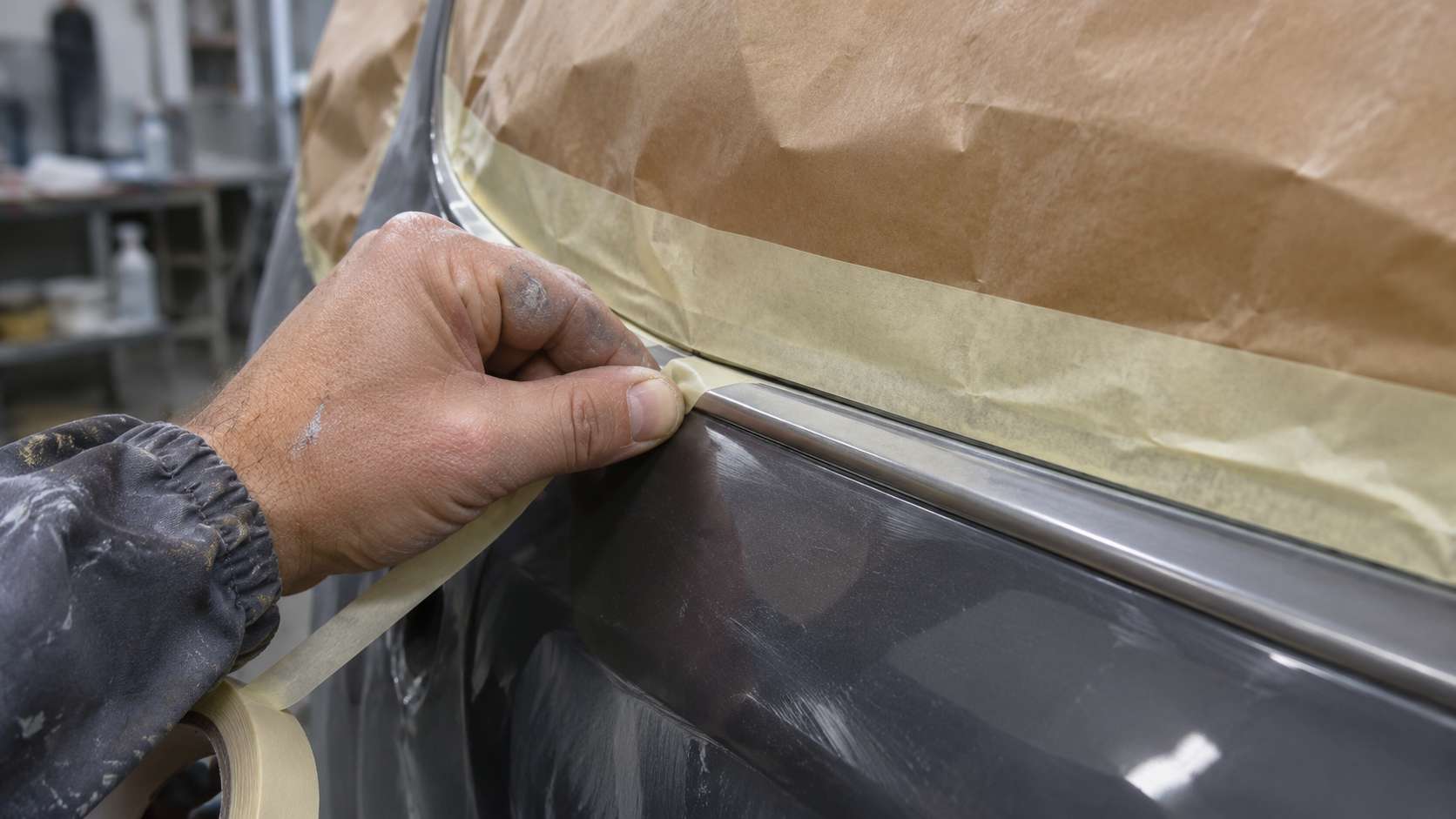
Remove dust and contamination first. Use the cleaning and degreasing products approved for the particular substrate and coating system, then let the surface dry fully. Pay attention to rubber seals and trim, where dressing or release agents can interfere with adhesion.
Older paint, delicate finishes and recent repairs deserve a small adhesion test. Where you've just applied primer, basecoat or clearcoat, follow the paint manufacturer's recommended cure and masking windows.
Mask Straight Edges, Curves and Trim Correctly
Lay longer, continuous strips along straight sections. Around complex contours, work in shorter lengths rather than pulling the tape hard. Stretched tape tends to lift back as it tries to return to its original shape.
Use 15mm for narrow details, step up to 25mm or 35mm for broader sections, and use a dedicated fine-line product for especially tight curves or custom graphics.
Seal the Edge and Control Overspray
Run a clean fingertip or suitable applicator along the paint-side edge so the adhesive makes even contact. Make sure folds, gaps and overlapping joins do not create little channels for paint to creep underneath.
Cover the surrounding panel with suitable automotive masking paper or film and secure it properly. Don't spray heavy coats into the tape line. Follow the coating manufacturer's spray distance, flash times and application instructions.
Remove the Tape at the Right Time
Don't rely on a universal “remove after 30 minutes” rule. Removal timing depends on the coating system and its technical data sheet. Once the paint has reached the recommended stage for de-masking, peel steadily and avoid jerking.
Follow the tape manufacturer's recommended peel angle. Some automotive systems specify a near-right-angle pull; others recommend folding the tape back over itself. Watch the paint edge as you work. If the film starts bridging or lifting, stop and reassess rather than tearing through it.
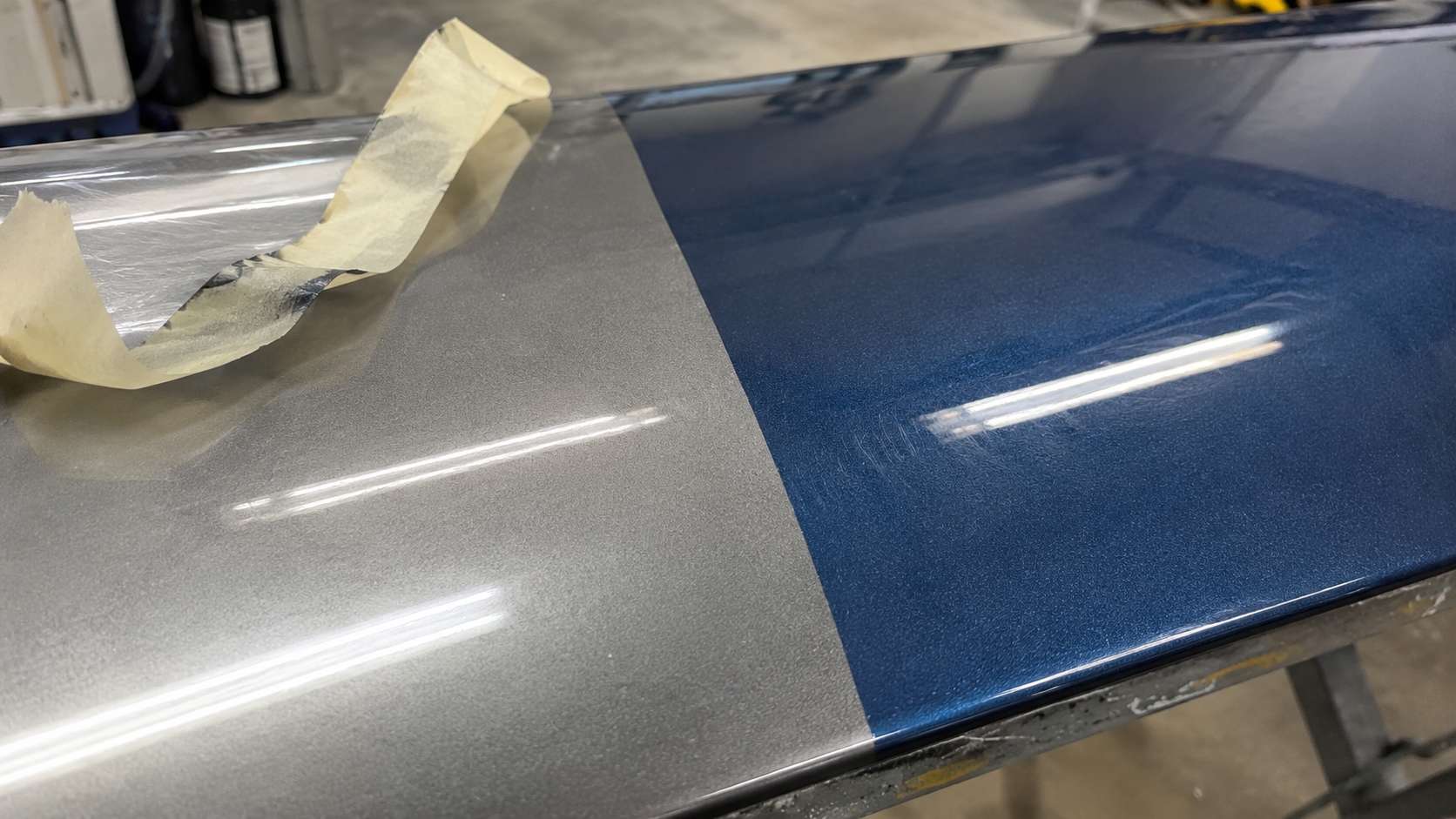
Why Does Masking Tape Leave Residue, Bleed or Lift Paint?
Before blaming the tape, look at the substrate, preparation and curing conditions. The same roll can behave differently on sound factory paint and an under-cured repair.
| Problem | Possible cause | What to change |
|---|---|---|
| Paint bleeding under tape | Dirty surface, poorly sealed edge, gaps or heavy application | Clean and dry the panel; press the edge flat; control spray application |
| Adhesive residue | Excess heat, unsuitable surface, long exposure or incompatible tape | Check removal window and temperature limits; test sensitive finishes |
| Paint lifts with tape | Under-cured coating, poor paint adhesion or incorrect removal | Follow coating cure guidance and de-mask carefully; investigate adhesion failure |
| Tape curls at a curve | Roll too wide, tape stretched or surface contaminated | Use narrower sections or purpose-made fine-line tape; avoid stretching |
| Hard paint ridge | Heavy build against a hard tape boundary | Control film build and use soft-edge masking where a blend is required |
If you're already dealing with surface defects after painting, see the SPX paint defect removal guide for the next stage of inspection and correction.
What Is 30-Day Clean-Release Masking Tape?
“30-day clean release” refers to the manufacturer's stated clean-removal window under suitable conditions. It does not mean the tape can be left on any surface for a month, put through an oven or pulled from uncured paint without risk.
Surface condition, temperature, sunlight, moisture and the coating underneath can all affect removal. A painted panel stored indoors is a different situation from one sitting in direct sun, while a fresh respray introduces its own adhesion concerns.
SPX describes its masking tape as a 30-day clean-release, UV-resistant paper tape. Treat that as product guidance, then check suitability for the actual job. For best results, remove the masking when the paint process allows rather than leaving it in place simply because the stated window is longer.
Which SPX Masking Tape Should You Buy?
For general non-oven-bake spray painting, here's a straightforward way to stock the bench: start with 25mm for the bulk of routine edges. Add 15mm for detailed trim, 35mm for wider borders and 45mm for securing paper or film.
If your workshop jumps between spot repairs, larger panels and preparation work, the SPX mixed masking tape pack is a convenient starting point. It contains two 50m rolls of each width: 15mm, 25mm, 35mm and 45mm.
The range also suits other careful masking work, including cabinetry and general finishing, provided the tape is compatible with the coating and substrate. None of these recommendations replaces a documented high-temperature tape specification where baking is involved.
Buying for a panel shop or paint business? You can apply for an SPX wholesale account to discuss repeat orders and trade pricing.
Frequently Asked Questions About Spray Painting Masking Tape
What masking tape is best for automotive spray painting?
For general non-bake masking, 25mm automotive paper masking tape is a practical everyday choice. Use narrower tape for details and wider tape for broad borders or sheeting. Choose a specialist product where tight curves or heated curing are involved.
What is the difference between automotive masking tape and regular masking tape?
Automotive masking tape is selected for refinishing tasks such as panel-edge masking, clean removal and compatibility with workshop processes. Performance varies by product. Ordinary household tape may have unsuitable adhesion, backing or temperature characteristics, so check the manufacturer's specification.
What masking tape gives the sharpest paint lines?
A good, well-pressed paper tape can give tidy straight edges. For intricate graphics and tight two-tone curves, dedicated fine-line tape is generally better. Clean surfaces, controlled paint application and correct removal timing matter just as much.
Can you use masking tape in a heated spray booth?
Only if the manufacturer rates that specific tape for the required heat and duration. SPX's current 30-day masking tapes are not recommended for oven baking. Select a separately rated high-temperature tape for a bake-cycle job.
How do you remove masking tape without peeling fresh paint?
First make sure the coating has reached the de-masking stage specified by its manufacturer. Pull the tape steadily at the angle recommended for that tape and coating system. Stop if you see lifting or a paint film bridging the edge.
Is 25mm or 45mm masking tape better for spray painting?
Choose 25mm for general paint edges and day-to-day masking. Use 45mm when you need a broader strip to secure masking paper or film. Many panel shops benefit from keeping both widths available rather than making one do everything.
Shop Automotive Masking Tape at SPX Abrasives
Good masking is one of those workshop jobs that's easy to overlook until a paint edge needs rework. Match the tape to the line, protect the surrounding panels properly and pay attention to the curing process.
SPX Abrasives supplies 15mm, 25mm, 35mm and 45mm 30-day paper masking tape, plus a mixed pack for workshops that use several widths. Orders are dispatched from Melbourne, with Australia-wide delivery options shown at checkout.
Shop the SPX masking tape range or enquire about wholesale pricing for your workshop.
Featured Products From This Article
Quick picks already referenced in this guide.