Bottom line: SPX and Indasa are both value-focused alternatives to the most premium global brands, so this is a close comparison. SPX is the better fit for Australian panel shops that want strong ceramic cut, 15-hole dust extraction, and direct local trade supply. Indasa is a solid, well-liked refinish brand — but it is imported, so supply runs through distributors.
This page keeps it fair. Both brands deserve respect on value. The decision usually comes down to ceramic performance, cost per job, and how easily you can restock.
Both brands compete on value, so the differences are finer than a premium-versus-budget gap. The supply and cost-per-job sections below usually settle it.
| Category | SPX | Indasa | Best fit |
|---|---|---|---|
| Positioning | Value-focused, ceramic-led trade range | Value-focused imported refinish brand | Close — decide on supply and cut |
| Ceramic options | Yes — built for cost-per-job cut | Yes, across its refinish range | Test both on a real stage |
| Disc sizes | 150mm-focused trade range | Broad refinish range | SPX for standardised 150mm shops |
| Dust extraction | 15-hole options | Multi-hole patterns by line | Match to your sander and pad |
| Supply model | Direct trade/wholesale, Melbourne dispatch | Imported via distributors | SPX for simple local repeat supply |
| Best buyer | Shops wanting ceramic cut and local supply | Shops already happy with the Indasa range | Depends on priority |
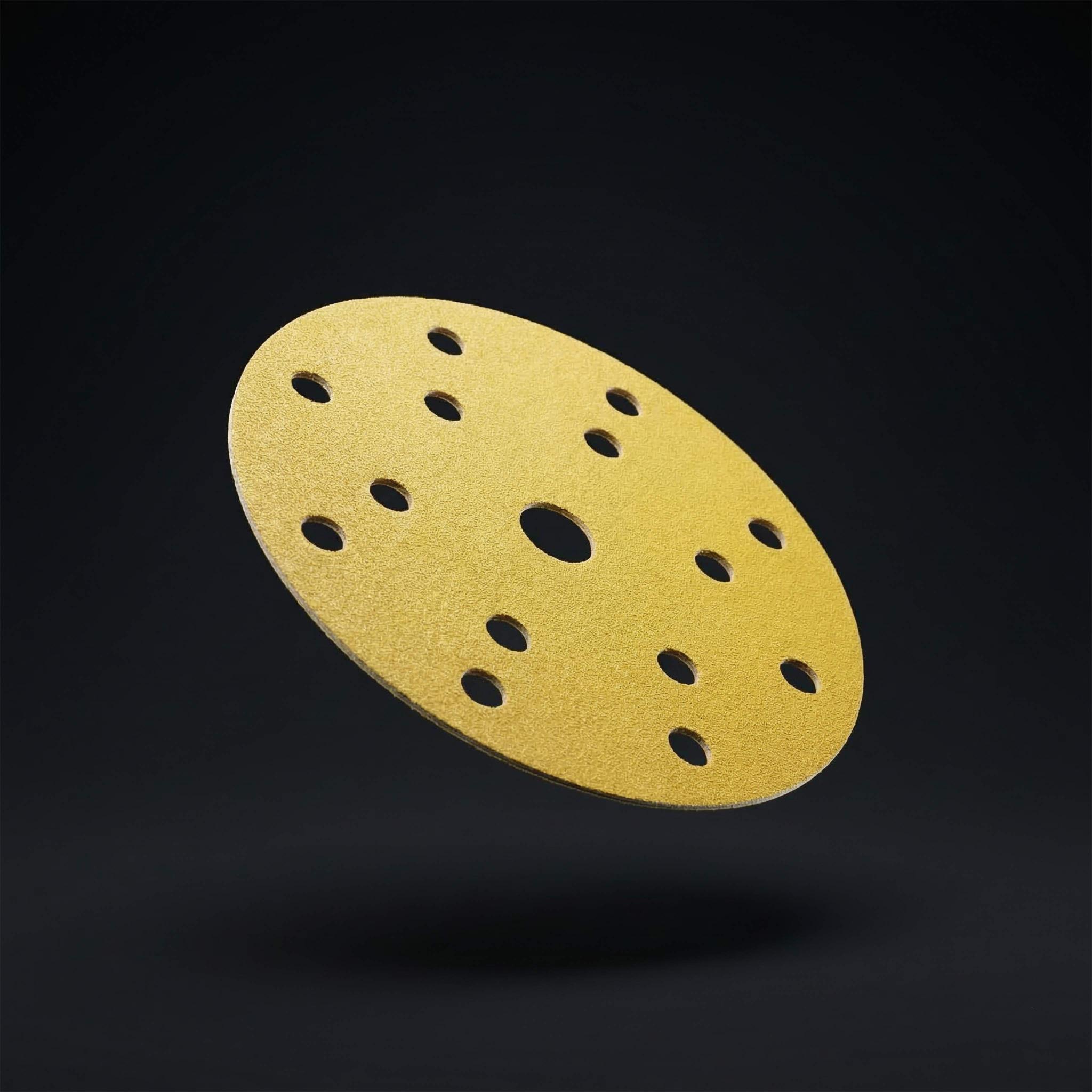
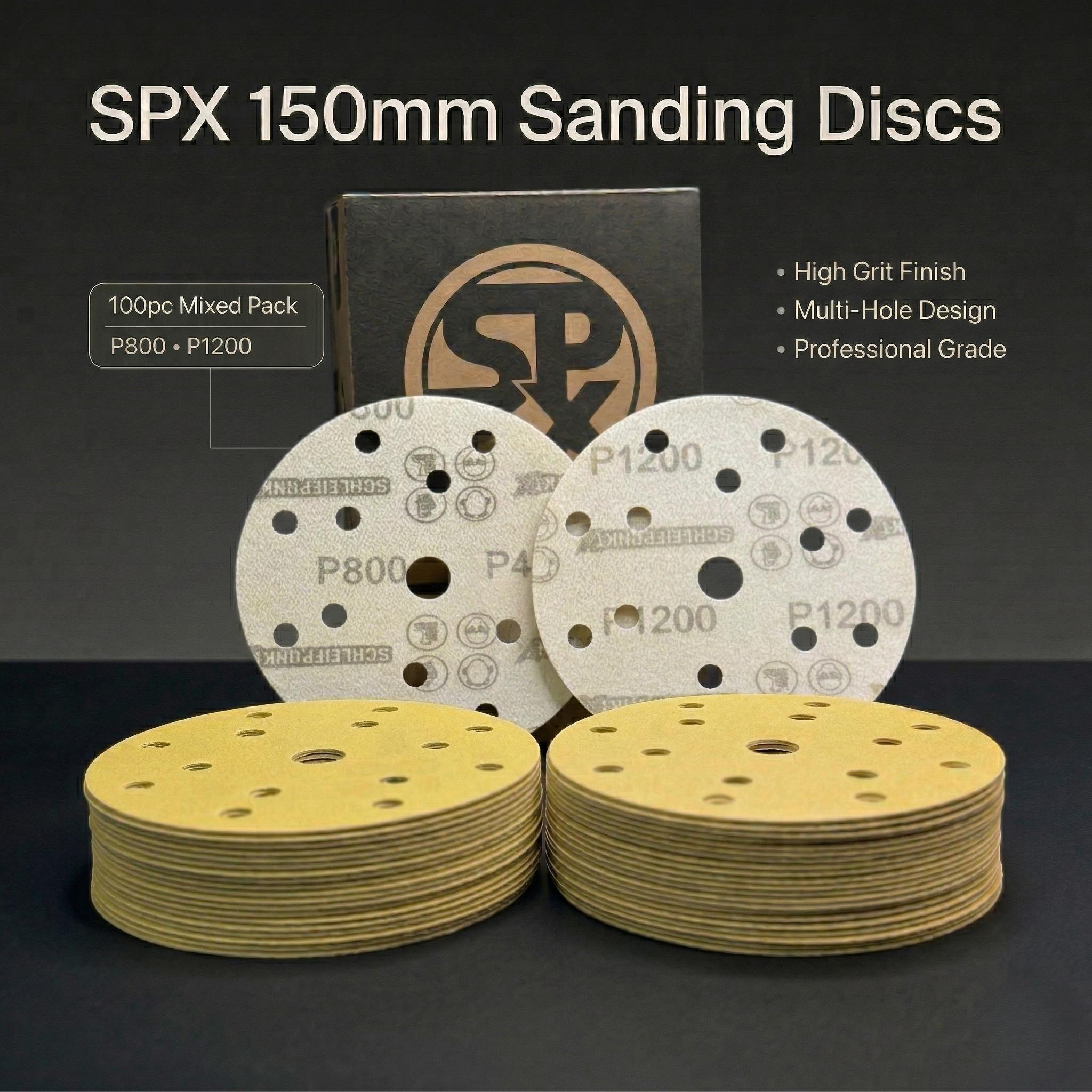
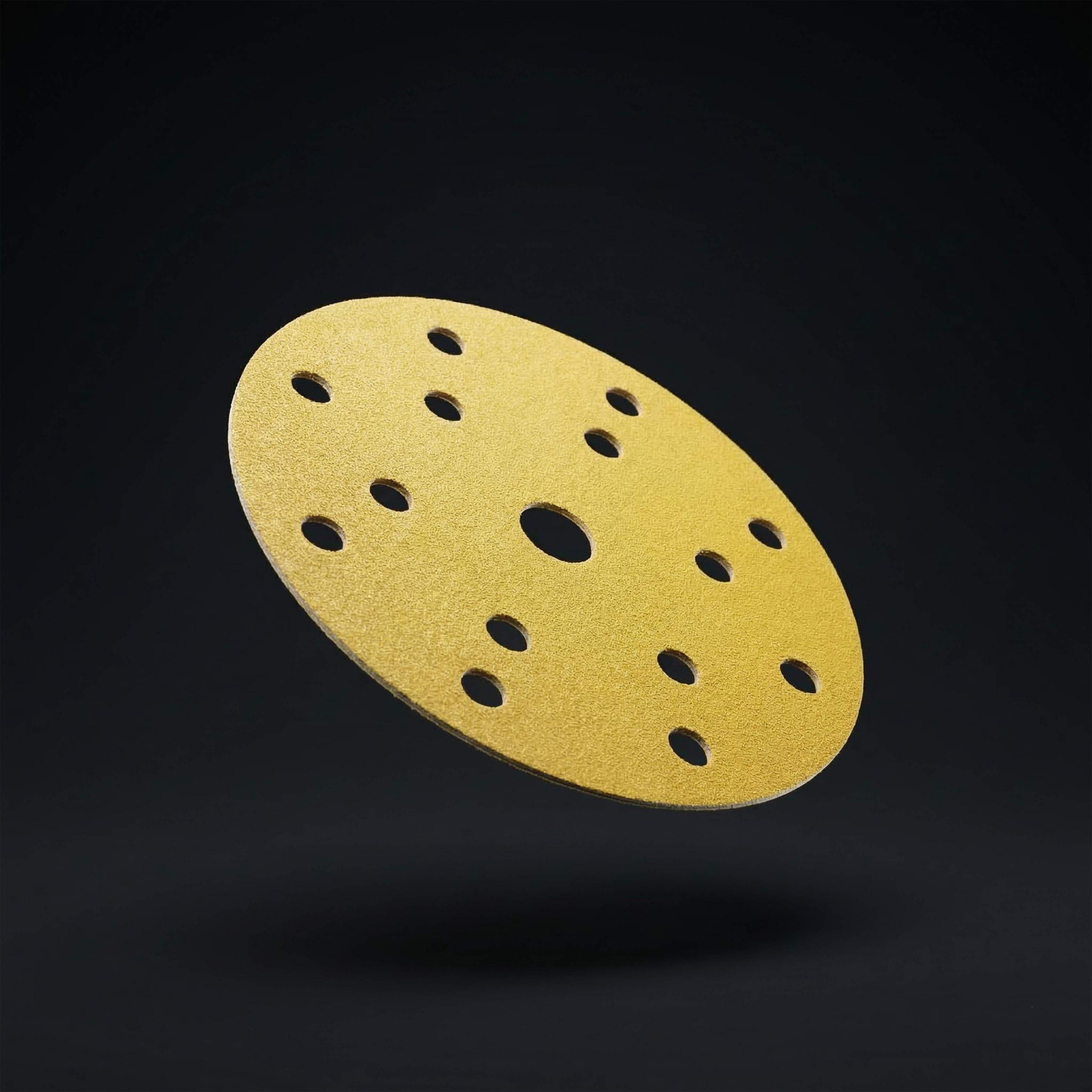
These SPX ceramic 150mm discs are the ones to weigh against your current Indasa discs. Check grit and pack style, then read the supply and cost sections below.

Pros don’t have time for discs that die halfway through the job. Cheap sanding discs might look cheaper upfront, but on the job they cost you more...

You're not paying for discs. You're paying for every minute you waste changing them. Every worn-out disc is a break in your rhythm, machine off, di...

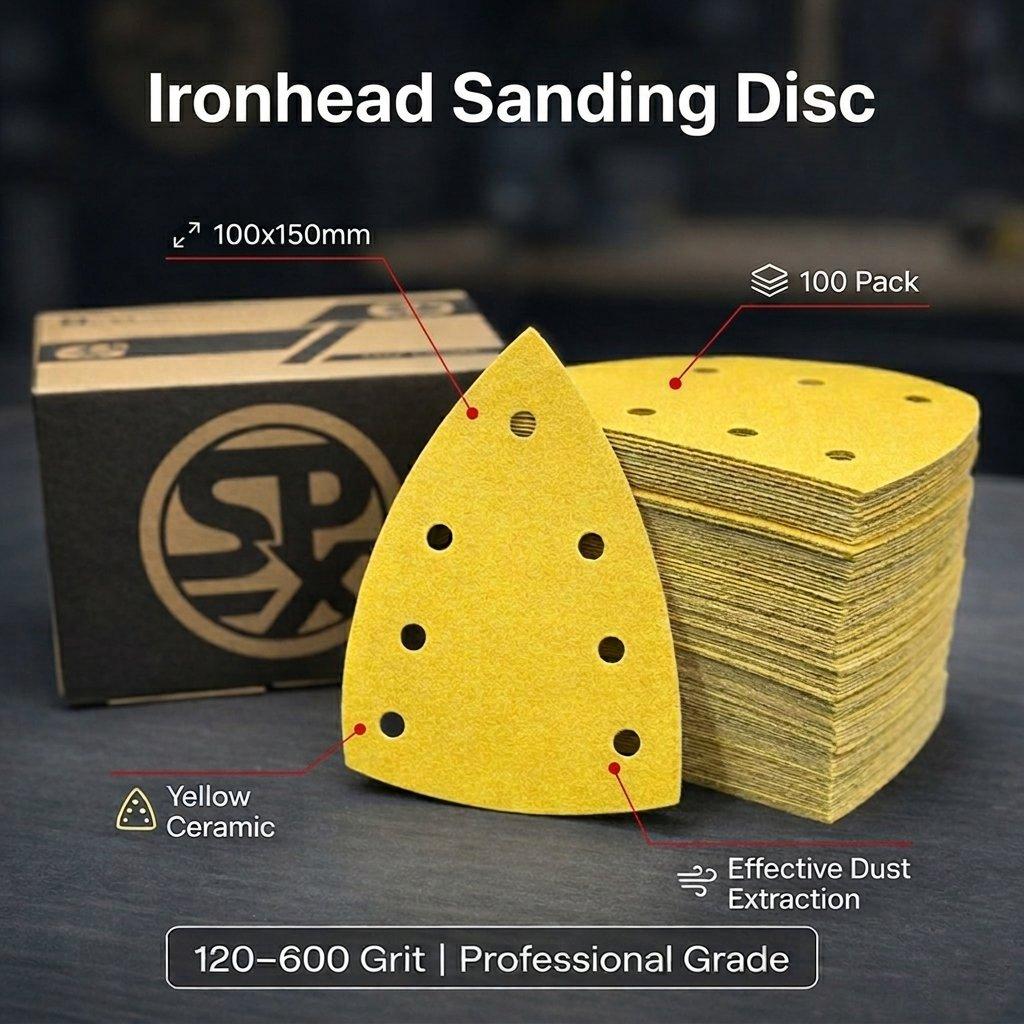
This 120-600 grit box of 100 is your everyday finishing range — the discs that step a surface through primer and sealer down to a clean pre-clear o...

Choose from Low, Medium or High Grit SPX 150mm Sanding Disc – Mixed Low Grit Pack (100pcs) Grits: 25 × P80, 25 × P120, 25 × P180, 25 × P240 Get the...

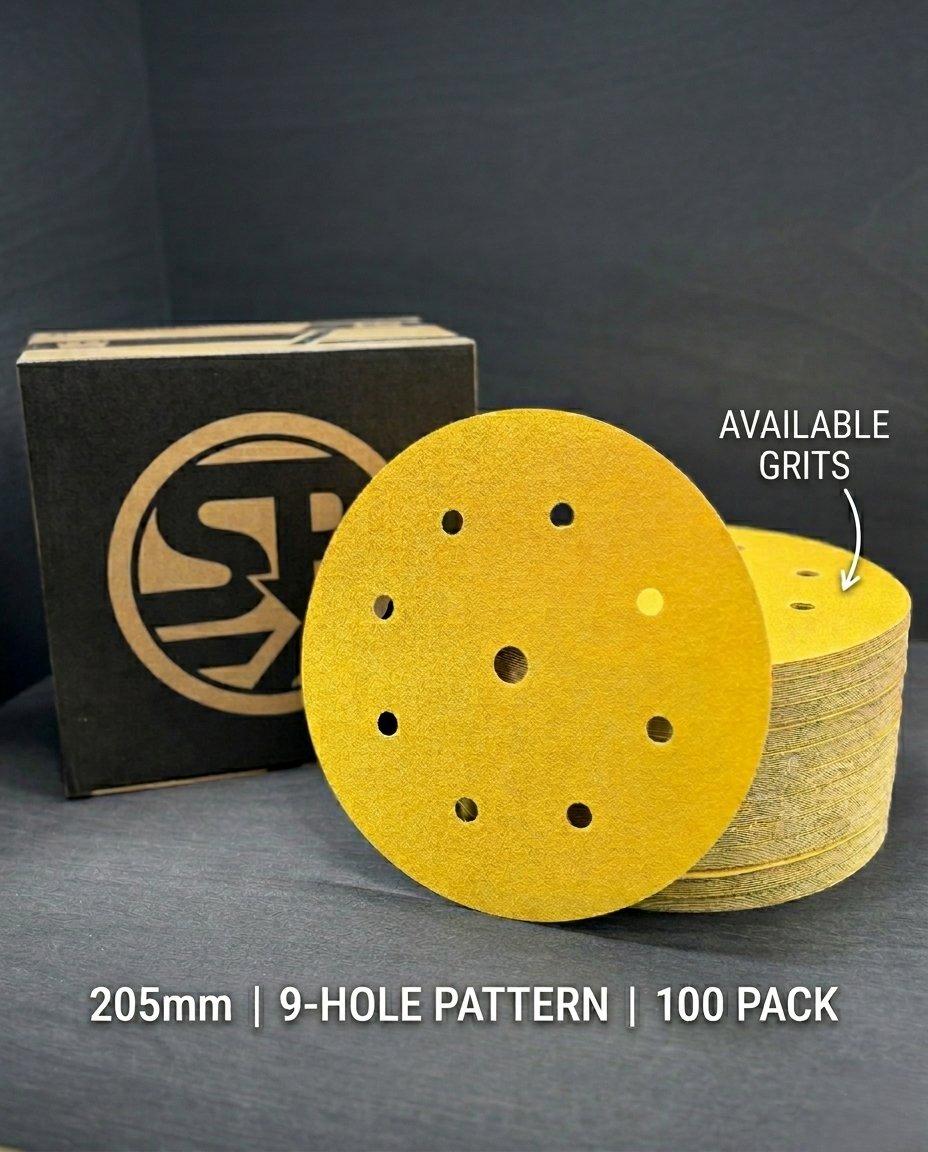
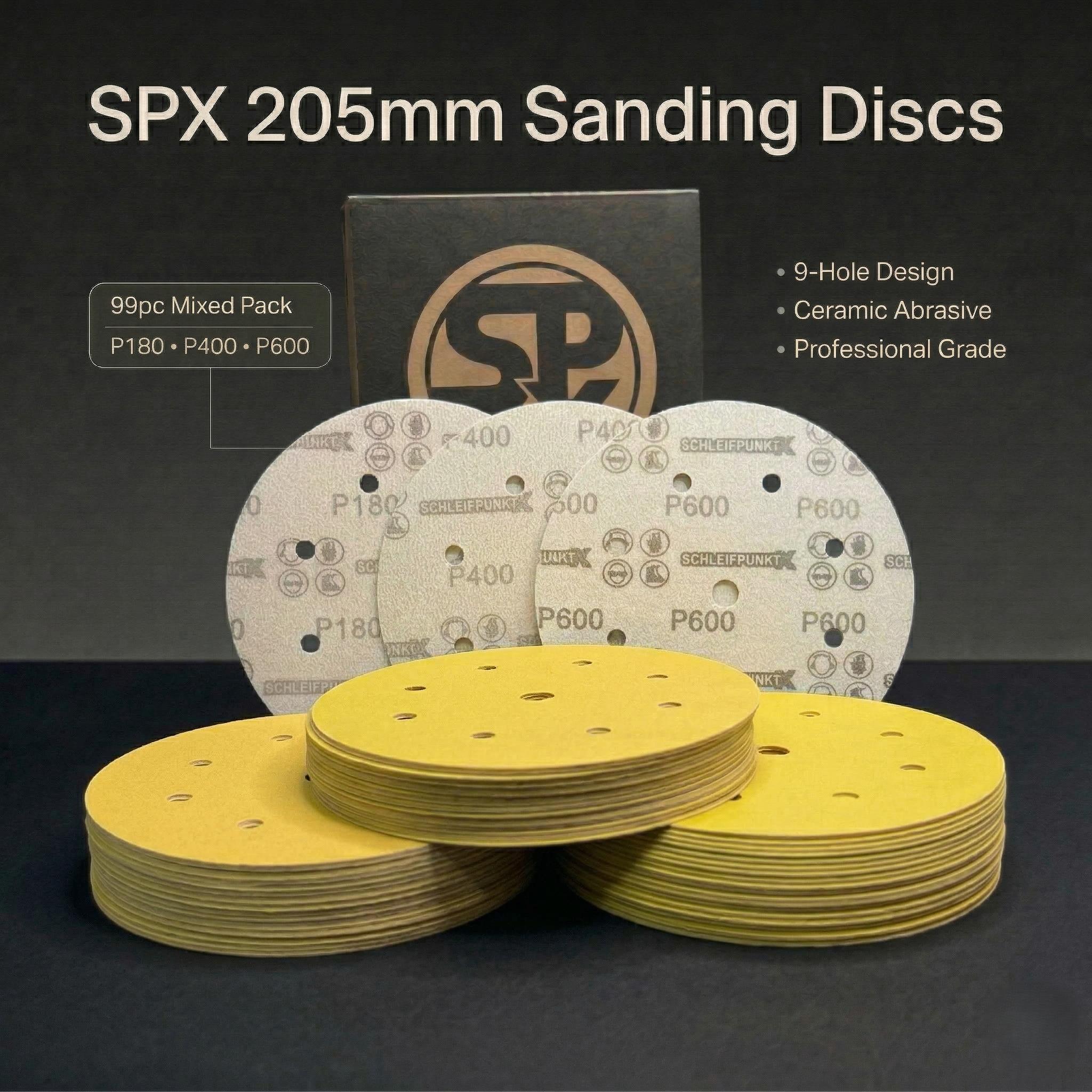
SPX Yellow Ceramic Sanding Disc – 205 mm (9-Hole) Professional-grade performance for cabinetmakers, spray painters & surface finishers. Enginee...

SPX Yellow Ceramic Sanding Disc – 205 mm (9-Hole) Professional-grade performance for cabinetmakers, spray painters & surface finishers. Enginee...
When two brands are this close on value, supply often decides it. Indasa is imported and sold through distributors, which is fine until a grit you rely on is out of stock and the next container is weeks away. For a busy shop, an empty shelf costs more than a few cents per disc.
SPX ships direct to trade and wholesale buyers from Melbourne, so reordering is local and predictable. That is not a knock on Indasa's discs — it is a practical point about keeping the right grit on the bench when you need it.
34 approved reviews back the SPX ceramic discs on this page, averaging 4.9/5.
Both are credible value brands. Keeping this grounded matters when the gap is genuinely narrow.
Indasa is a long-established refinish abrasive brand with a strong reputation for value and a broad range used widely in automotive shops. If your shop already runs Indasa happily, it is a sensible product — the main considerations when comparing are ceramic performance and import-based supply.
SPX focuses on ceramic and standard 150mm discs, 15-hole dust extraction, and direct trade supply built for repeat ordering. It competes on value while leaning into cut performance and local availability rather than import logistics.
On everyday filler, primer, guide coat, and paint prep, both brands cover the same ground at a similar value level. That overlap is why this decision usually rests on cut, dust fitment, and supply rather than brand prestige.
Cautious by design: Indasa specs vary by line and region. Confirm fitment against the specific Indasa product you currently run.
| What you are buying | SPX | Indasa |
|---|---|---|
| 150mm sanding discs | Core focus of the range | Available across its refinish range |
| Ceramic discs | Yes — positioned for cost-per-job cut | Yes, within its range |
| 15-hole dust extraction | Yes — dedicated options | Multi-hole patterns by line |
| Grit range | Coarse cut through fine prep | Broad refinish coverage |
| Supply | Direct trade/wholesale, Melbourne dispatch | Imported via distributors |
When two value brands are this close, packet price tells you almost nothing. The better question is which disc gives the best cost per finished job once disc life, cut consistency, labour time, dust control, and rework are counted — plus the hidden cost of a stock gap.
SPX aims to win that comparison through ceramic cut retention and reliable local supply. Indasa may match it on the disc itself in your shop. The only way to know is to run one real job both ways and compare. Let your own bench settle it.
A comparison page that only ever says "switch to us" is not worth trusting, so here is the straight version. If your Indasa supply is reliable and your shop is happy with the finish, there is no real reason to change for the sake of it. Indasa has been making coated abrasives since 1979 and is a credible European brand — this is a value-versus-value call, not a rescue mission.
Switching makes sense when something is actually costing you: repeated stock gaps on a grit you depend on, or a wish for stronger ceramic cut retention on heavy stages. If neither is true, stay put. If one is, run the reorder checklist and a single side-by-side test before you move your standing order.
SPX and Indasa are both genuine value choices, so this is not a premium-versus-budget story. For Australian panel shops, SPX edges ahead when ceramic cut, 15-hole dust extraction, and reliable local supply matter most.
If your shop already runs Indasa well and supply is dependable, there is no need to change for change's sake. But if you want stronger cut performance and simpler restocking, test SPX on one real job, confirm fitment, and compare cost per job.
Follow the decision into ceramic detail, supply, and other brand comparisons.
Where ceramic cut pays off versus standard discs.
Direct trade supply and repeat-volume options.
Weighing more than one option? Start here.
Full grit selection guide for the 6-inch standard.
SPX Abrasives is a Melbourne, VIC supplier of professional sanding abrasives for retail, trade, and wholesale buyers across Australia. This comparison is written and checked by people who sell, test, and use these discs in a working paint shop.
Disclaimer: competitor specifications vary by product line and region and can change over time. Brand names are used for comparison and identification only. Always confirm disc and hole-pattern fitment against your own sander and pad before switching.
Competitor positioning in this comparison is checked against official manufacturer information. We do not copy competitor content; links are provided so you can verify claims yourself.
Order a trade pack, run it on one real job, and compare ceramic cut, supply, and cost per job. Wholesale options available for repeat buying.