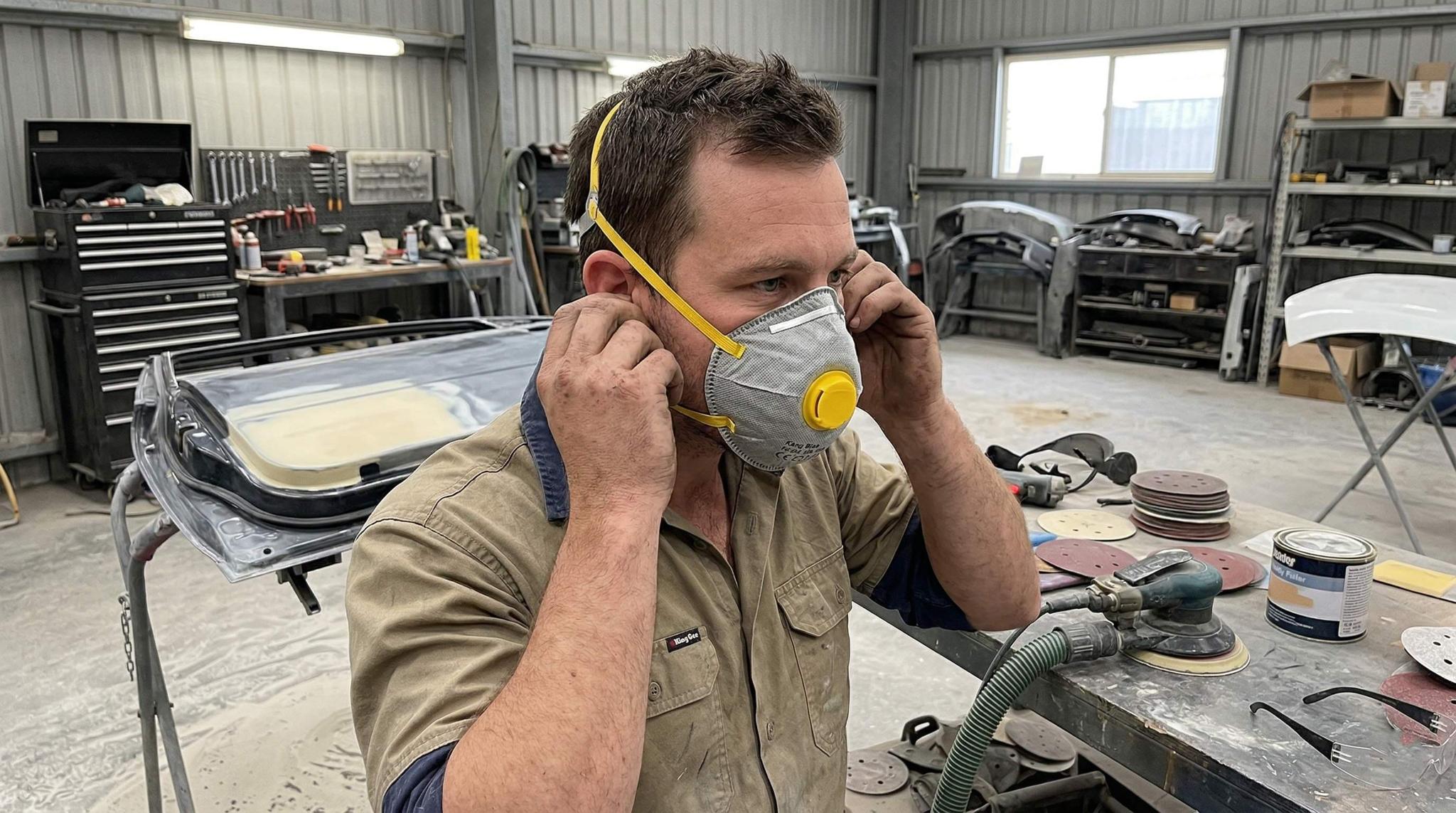
P2 Dust Mask: What It Means, When to Use It, and What to Check Before You Buy
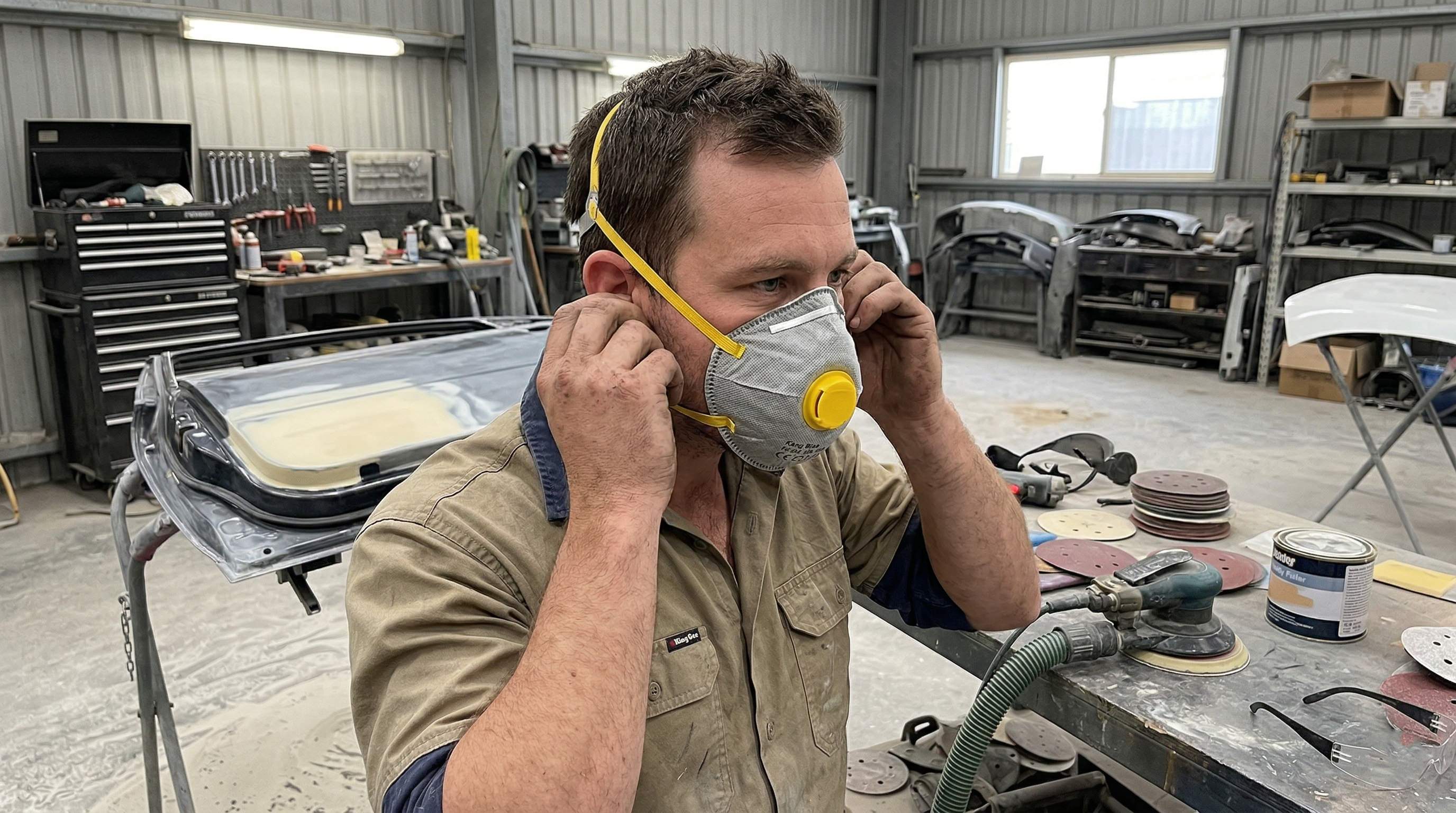
If you are searching for a p2 dust mask, you usually want a straight answer fast. A P2 mask is used for fine airborne particles. That makes it relevant for dusty workshop jobs, smoke, sanding, grinding, cutting, and general surface prep. The catch is simple: the right mask still has to suit the hazard, fit properly, and be bought from a reputable supplier. If the task involves gases or solvent vapours, a basic particulate dust mask is not the answer.
This guide is written for Australian trade buyers, panel shops, cabinet makers, spray painters, plasterers, and workshop teams who need practical guidance, not vague safety talk.
Quick answer
| Task | Does a P2 dust mask suit it? | What to check |
|---|---|---|
| Sanding timber, filler, plaster, primer, or general workshop dust | Usually yes | Good seal, proper fit, suitable comfort for the job length |
| Silica-generating work | It can be part of the control setup | Correct RPE selection, fit testing, clean-shaven seal area, and proper dust controls |
| Smoke and fine airborne particles | Yes, if fitted properly | Tight seal, replace if dirty, damaged, or wet |
| Solvent vapours and paint fumes | No | You need task-appropriate respiratory protection, not a particulate-only dust mask |
| Long hot prep jobs | Sometimes | Comfort, breathing resistance, valve preference, and compatibility with other PPE |
What is a P2 dust mask?
A P2 dust mask is a particulate respirator designed for airborne particles. In plain workshop terms, that means dust and other fine particulate matter, not every hazard floating in the air. Australian guidance often refers to P2/N95 masks together when talking about fine particle protection. That is why you will see searchers use phrases like p2 dust masks, dust mask p2, respirator mask, and n95 mask around the same topic.
The thing is, buying a mask by label alone is where people get caught out. A dust mask still needs to match the actual job. Sanding filler is one thing. Cutting dusty product on site is another. Solvent vapours are a different problem again.
When a P2 dust mask makes sense
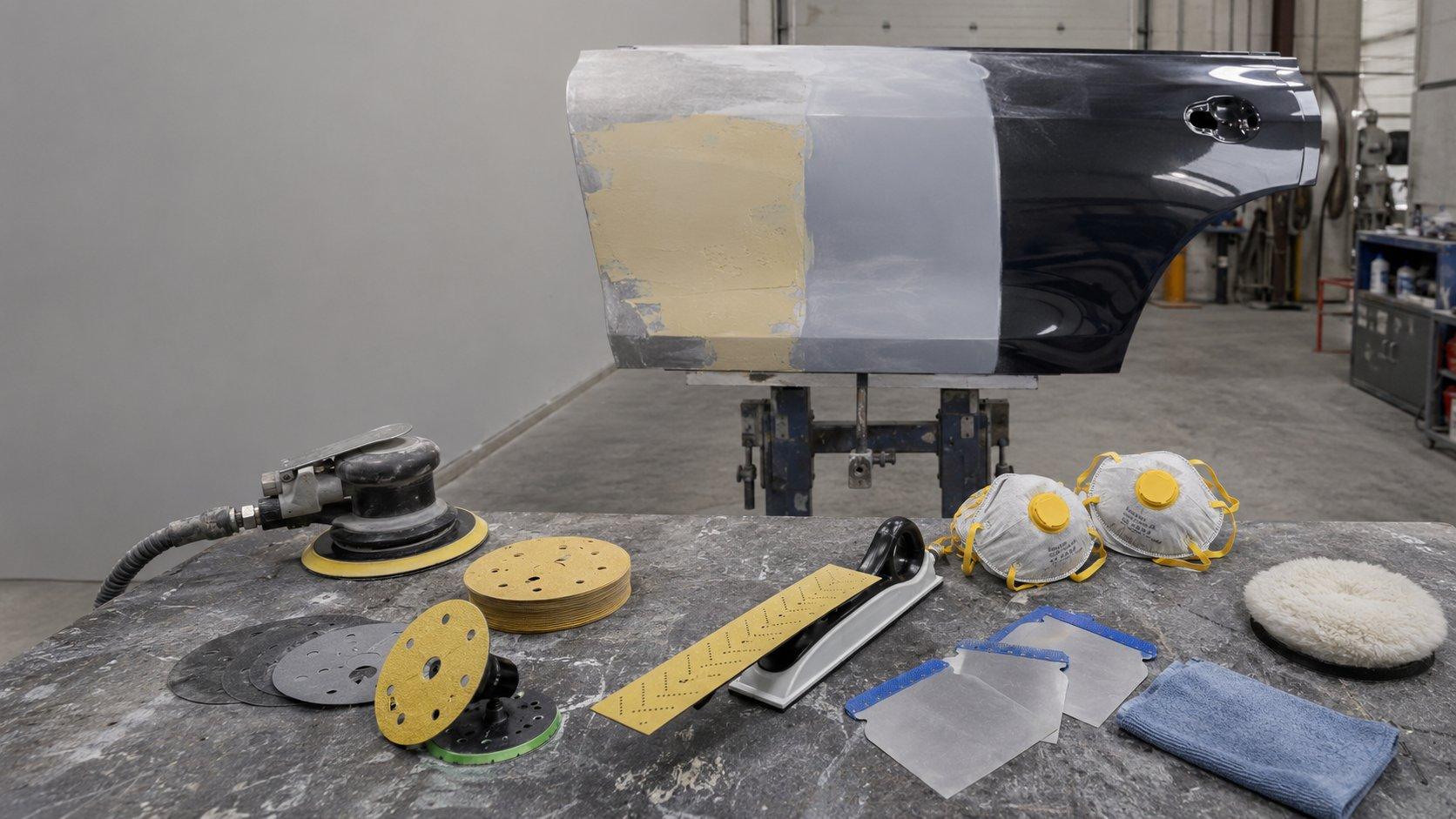
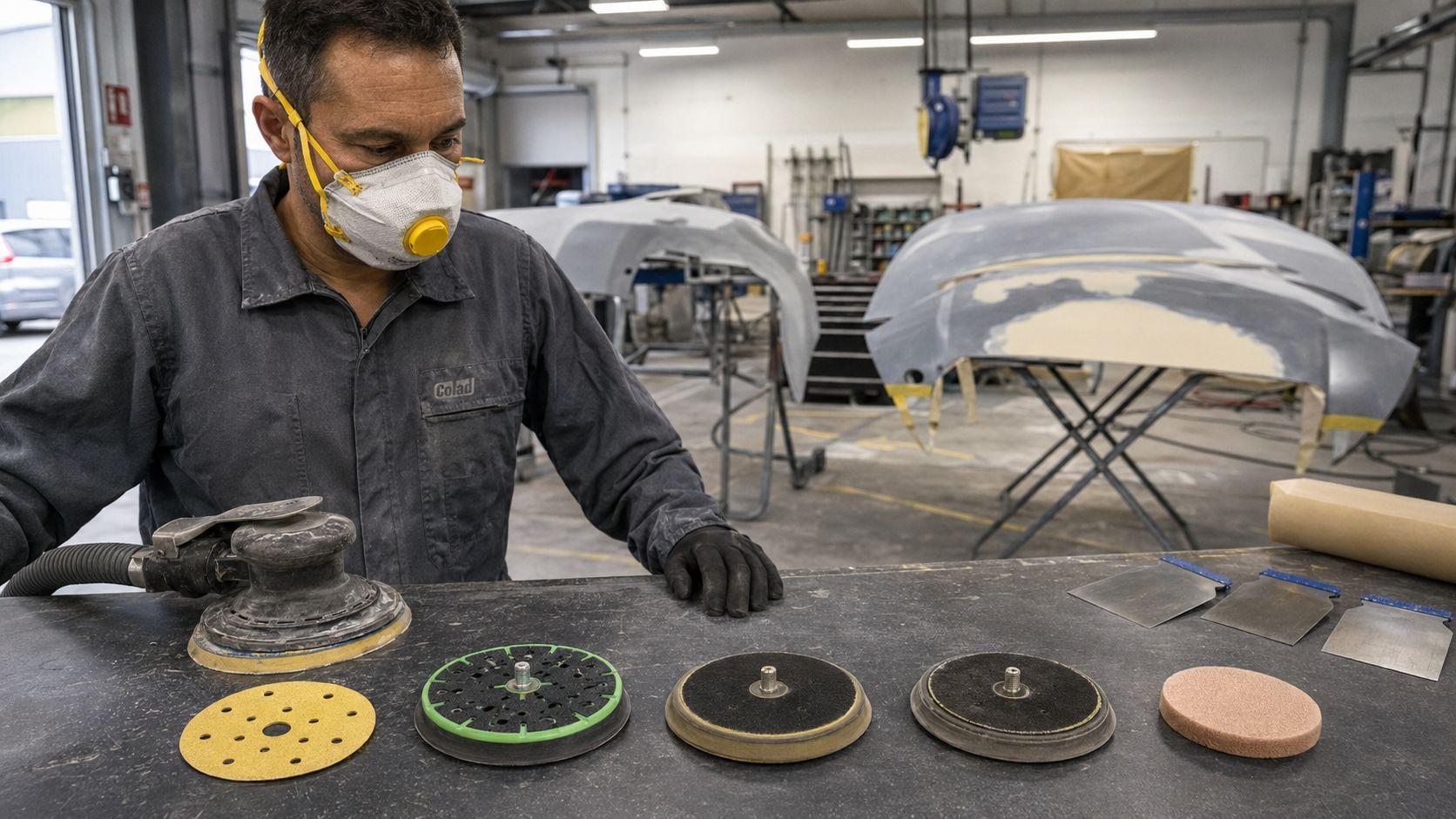
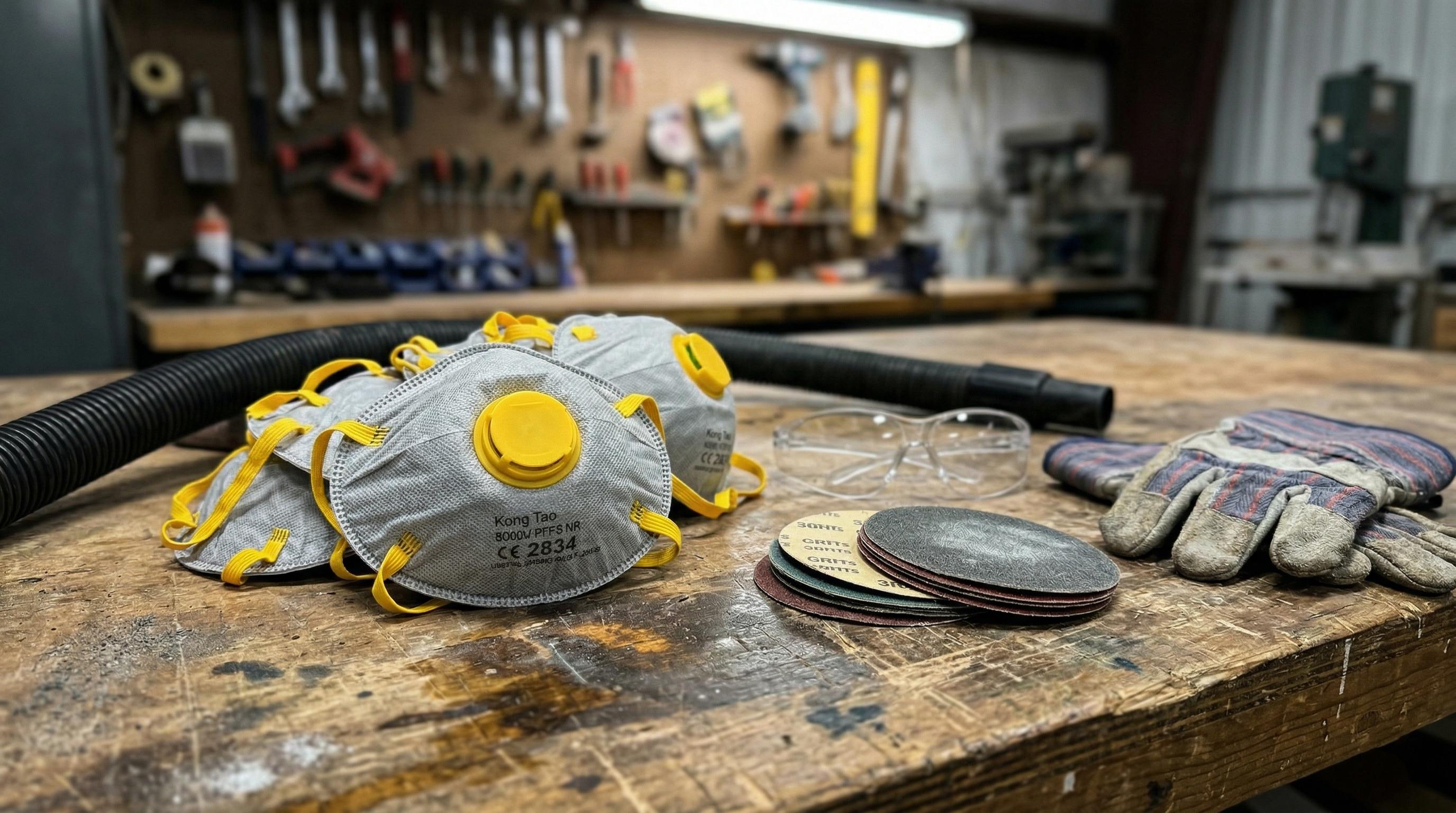
For many trade jobs, a P2 dust mask is the practical everyday option when the hazard is fine particulate. That includes dusty prep and surface work where airborne particles are part of the process. On the SPX range, the standard P2 Dust Masks page is positioned for painting, sanding, grinding, cutting, and general workshop environments, which lines up with how a lot of Australian tradies actually use them.
Common workshop uses
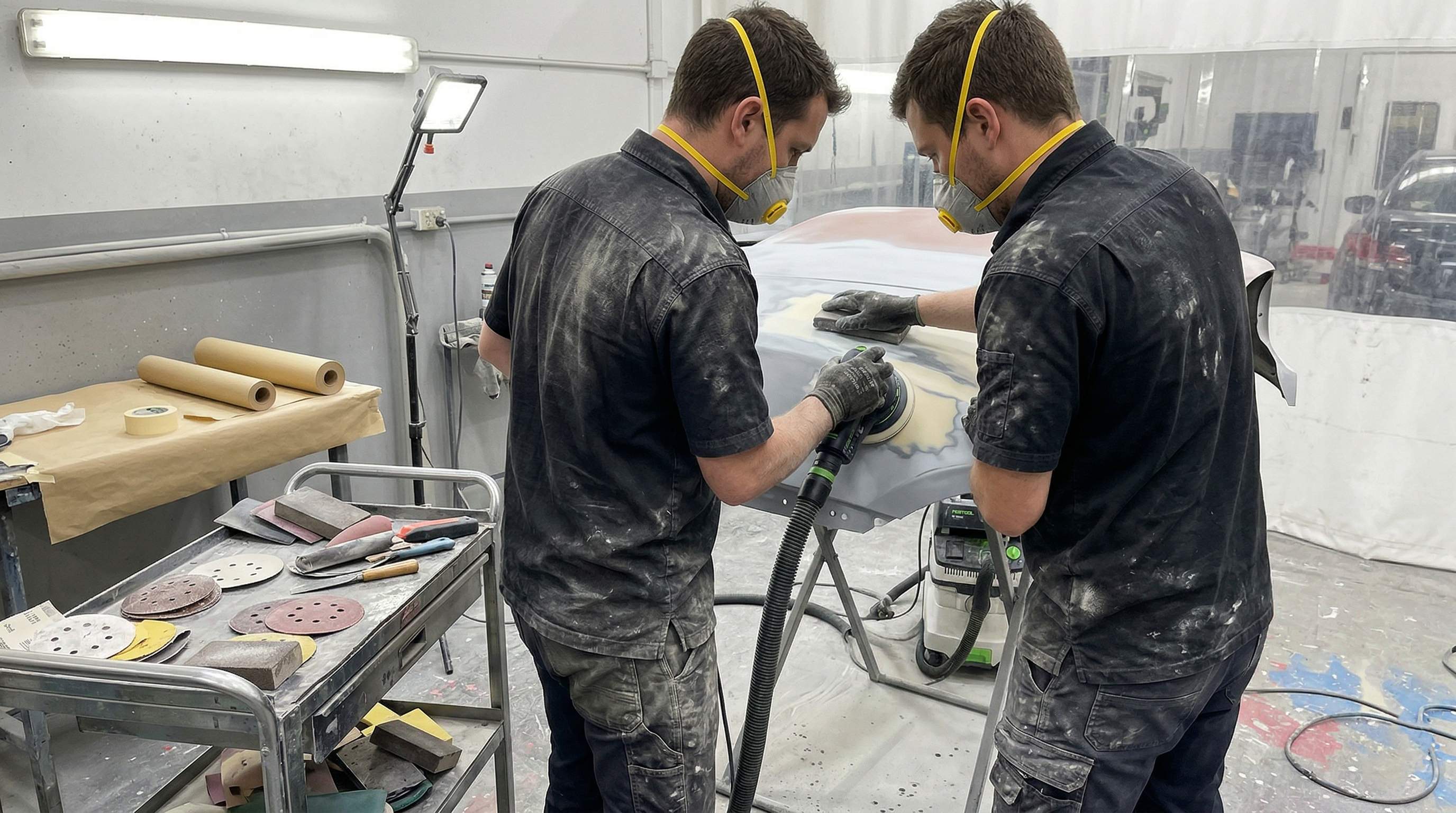
- Panel prep and filler sanding
- Timber sanding and cabinet work
- Plaster and construction clean-up
- General dusty cutting and grinding tasks
- Smoke exposure and dusty clean-up work
In practice, this is the sort of mask you keep close for the messy jobs that create airborne particles fast. If your team is blocking filler, refining primer, cutting dusty material, or cleaning up after surface prep, a P2 mask belongs in the kit, not as an afterthought.
What a P2 dust mask will not do
This matters because people often ask a dust mask to do a respirator’s whole job. Particulate filters protect against particles. They do not protect against gases or solvent vapours. So if the job involves solvent-heavy coatings, vapour exposure, or a task that needs a different class of respiratory protection, a basic disposable dust mask is not enough.
That is also why cheap paper masks, bandanas, and makeshift face coverings are a dead end for fine particle protection. If the job is real, the mask needs to be real too.
Trade tip: If the hazard is dust, a P2 dust mask is often the right place to start. If the hazard is vapour, smoke chemistry, or something more specialised, stop and check the task requirements before you buy in bulk.
How to choose the right P2 dust mask
Not all buying decisions here come down to price. A cheaper mask that leaks, shifts on the face, or gets ripped off halfway through a hot prep job is not cheaper once rework and frustration are counted.
1. Check the certification
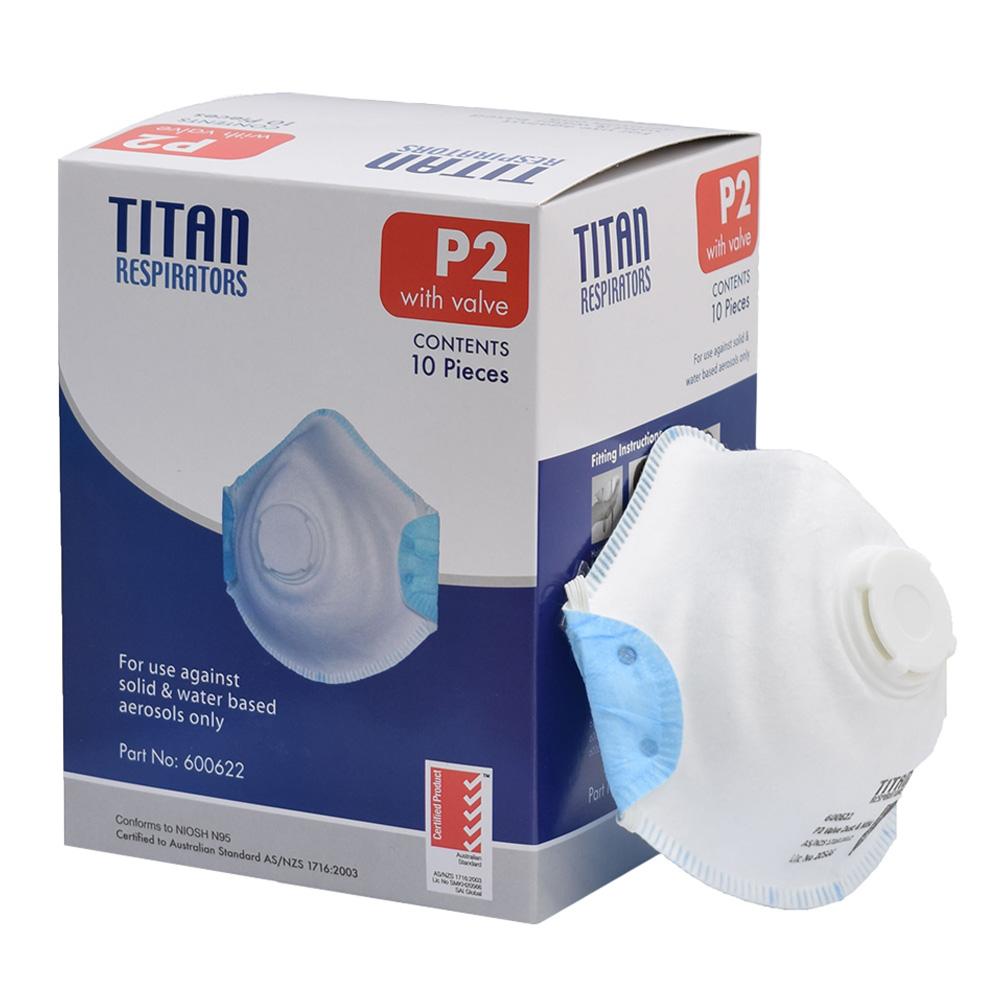
For Australian trade use, start by checking whether the respirator is certified to the relevant standard. The Titan P2 masks with valve (10 pcs) product page states certification to AS/NZS 1716:2012. That is the sort of detail you want to see clearly, not hidden or implied.
2. Check fit before features
A comfortable mask that does not seal well is still a poor choice. Fit matters. Seal matters. If facial hair sits where the mask needs to seal, performance drops fast. That is true for workshop dust and it becomes even more important in higher-risk dust situations.
3. Think about the job length
For quick dusty tasks, a simple disposable P2 mask can do the job well. For longer, hotter prep work, comfort becomes a buying factor. That is where details like lower breathing resistance, soft edges, secure straps, and a valve become more than marketing copy. They affect whether the mask stays on properly for the whole task.
4. Make sure it works with your other PPE
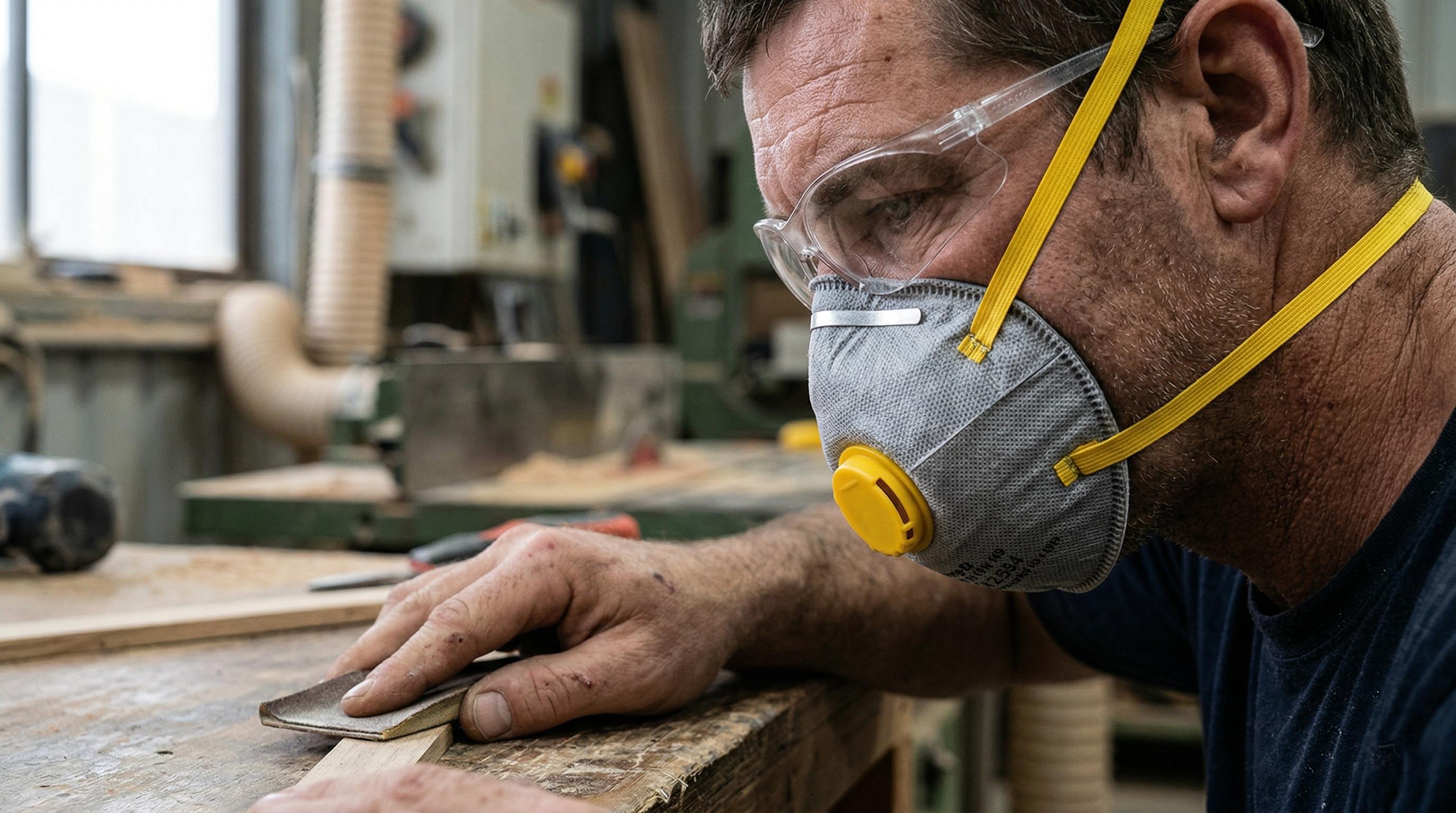
Here’s where it gets tricky. Eye protection can interfere with fit. So can poor strap placement, the wrong face shape, and rushed setup. If your team wears clear safety specs all day, do not choose a mask in isolation. Choose a setup.
5. Buy from a reputable supplier
For trade buyers, reliability matters. If you are standardising PPE across a workshop, you want consistent supply, clear product information, and fast delivery when stock is needed again.
P2 dust mask for silica dust: the practical answer
Silica dust is not something to treat casually. Once respirable crystalline silica becomes airborne and gets inhaled, the risk is serious. A lot of searchers type in p2 mask for silica dust because they want a simple yes or no. The honest answer is this: respiratory protection is part of the control plan, not the whole plan.
Queensland guidance notes that P1, P2, and P3 particulate filters are all suitable against mechanically generated particulates such as respirable crystalline silica, but the right setup still depends on the task, contamination level, and the respirator selected. Tight-fitting respiratory protection also needs proper fit testing, and the wearer needs a clean-shaven seal area where the mask contacts the face.
On the job, that means you should not rely on a mask alone. Dust extraction, wet methods where required, correct work practices, and proper PPE all matter.
Need a simple workshop-ready option? Browse the SPX P2 Dust Masks for everyday dusty prep tasks, or look at the Titan P2 masks with valve if comfort and breathing ease matter on harder-running jobs.
P2 dust masks for smoke and dusty clean-up
A P2 dust mask is also commonly used for smoke and fine particle exposure. Public health guidance in Australia treats P2/N95 masks as useful for filtering fine particles in smoke, but only when the mask is fitted properly and forms a tight seal around the face. Facial hair gets in the way here too.
For dirty clean-up work, replacement matters. If a disposable mask becomes damaged, dirty, or wet, swap it out. Do not try to stretch a worn-out mask through one more job just because it is close enough. It is not.
P2 dust mask options from SPX
If you want to turn this search into an actual purchase path, there are two clear starting points on the SPX site.
Recommended P2 and Workshop PPE
A quick product shortlist pulled from the same SPX range mentioned in this guide.
Titan P2 masks with valve (10 pcs)
FEATURES AND BENEFITS • Low breathing resistance for increased comfort • Exhalation valve allows easier breathing and reduces hot air bui...
P2 Dust Masks
This is the broad everyday option for painting, sanding, grinding, cutting, and general workshop use. It suits teams that need reliable particulate protection across common dusty tasks without overcomplicating the buying decision.
Titan P2 masks with valve (10 pcs)
This option makes sense when comfort matters more. The product page highlights low breathing resistance, sealed soft edges, adjustable double head straps, a foam insert, and an exhalation valve to reduce heat build-up. It is also listed as lightweight, disposable, single use, and certified to AS/NZS 1716:2012.
If you are buying for a team rather than one person, it is worth looking beyond the mask itself and checking the broader SPX safety range. That helps you build a workable PPE setup instead of solving one line item at a time.
For repeat workshop orders or larger buying volumes, head to trade and wholesale pricing.
Frequently asked questions
What does P2 mean on a dust mask?
It refers to a particulate respirator classification used for airborne particles. In Australian guidance, you will often see P2 and N95 discussed together when the conversation is about fine particle protection.
Does a P2 dust mask stop silica dust?
A P2 respirator can be part of the protection setup for silica-generating work, but it is not the whole control plan. Fit, seal, task type, and site controls all matter. For tight-fitting respiratory protection, fit testing and a clean-shaven seal area are critical.
Do P2 dust masks help with smoke?
Yes, they can help filter fine particles in smoke when fitted properly and sealed well to the face. That said, they are not a cure-all and they do not protect against gases or vapours.
Can I use a P2 dust mask for spray painting?
Only if the hazard is particulate and the task suits that class of protection. If the job involves solvent vapours, a particulate-only dust mask is not enough. Check the coating system, SDS, and task requirements before choosing your respirator.
Are valved P2 masks worth it?
For short jobs, not always. For longer and hotter prep work, a valved mask can be a better choice because breathing comfort and heat build-up start to matter more. That is where a product like the Titan P2 masks with valve fits naturally.
About SPX Abrasives
SPX Abrasives supplies abrasives, PPE, and workshop consumables for Australian trade buyers. The range is built around real workshop needs, from sanding and prep through to safety gear and repeat trade supply.