.png&w=2048&q=75)
Where to Buy 150mm Sanding Discs in Australia for Panel Shops and Trade Use
.png)
If you want to buy 150mm sanding discs in Australia, start with fit and supply, not brand hype. For a panel shop, cabinet shop, spray painter or trade buyer, the right supplier should make six things easy to check before you order: hole pattern, grit range, stock consistency, trade pricing, box quantities and delivery. Get those right and the discs usually work with your process. Get them wrong and you end up with poor extraction, missing grits, repeat orders and jobs slowing down for no good reason.
The thing is, plenty of buyers still shop sanding discs like they are a simple consumable. They are not. A 150mm disc that matches your pad, cuts cleanly, stays in stock and turns up on time is worth more than a cheap box that creates dust, downtime and rework.
Key takeaways
| What to check | What good looks like | Why it matters |
|---|---|---|
| Hole pattern | Matches your backing pad, or you are deliberately buying a net-style disc | Better dust extraction, less loading, cleaner sanding |
| Grit range | Supplier carries the coarse, medium and fine grits you actually burn through | No gaps in your sanding process and fewer emergency reorders |
| Stock consistency | Common grits are clearly listed and available in repeatable pack sizes | Stops jobs stalling because 180 or 320 is suddenly out of stock |
| Trade pricing | ABN pricing or wholesale options are easy to access | Important for workshops ordering regularly, not once a quarter |
| Box quantity | Pack sizes suit the way your workshop actually buys | Retail packs are fine for testing. Trade boxes are better for throughput |
| Delivery | Australian stock, in-stock visibility and reliable shipping | Consumables are only cheap until a missing box delays a job |
Start with the hole pattern and pad fit
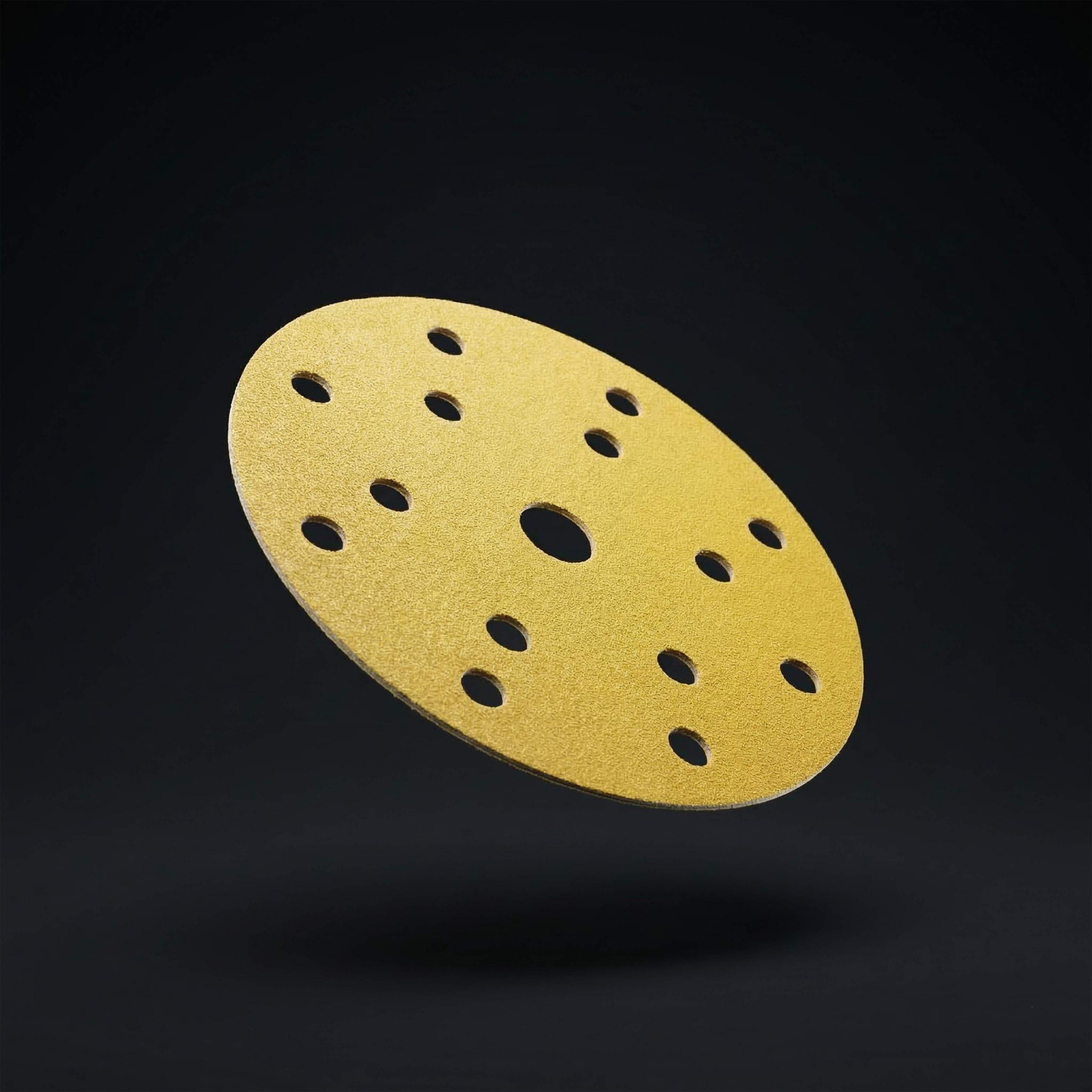
Not every 150mm disc is interchangeable. That catches people out all the time. The diameter can be right, but if the hole pattern does not suit your backing pad and extraction setup, you lose one of the main reasons to run a proper orbital system in the first place.
Why the hole pattern matters
Multi-hole and net systems are built around dust extraction. That is not just a cleanliness issue. Better extraction helps keep the abrasive cutting instead of loading up, and it gives you a cleaner surface with less rubbish trapped under the disc. In practice, that can mean fewer defects and less frustration halfway through the job.
What trade buyers should check before ordering
- Disc diameter: 150mm
- Attachment: hook-and-loop
- Hole pattern: 15-hole, multi-hole, or net
- Pad compatibility: make sure it matches the backing pad you already run
- Use case: dry sanding, fine finishing, filler work, primer prep, or general workshop sanding
Buy the grit range you actually use
A wide grit range looks good on a product page. It only matters if the supplier carries the grits your workshop reaches for every week. Panel shops and spray painters usually need a practical spread, not just one mixed box and a hope that it covers everything.
| Typical grit | Common trade use | Why buyers order it |
|---|---|---|
| 60–80 | Heavy removal, stripping, rough shaping | Fast cut when you need to move material, not finesse it |
| 120–180 | Filler shaping, feathering, general panel prep | Often the everyday working grits in repair work |
| 240–320 | Primer prep, refinement, pre-finish smoothing | Useful when you want a cleaner scratch pattern before the next stage |
| 400–600 | Fine prep and finishing work | Helps when the finish quality matters more than stock removal |
| 800–1200 | Fine finishing and polish prep | Usually bought for specific finishing stages, not bulk rough work |
Here’s where it gets tricky. A lot of retail buyers think a mixed pack is the smart buy. Sometimes it is. If you are testing a disc on a new job, fair enough. But if you already know your workflow and you chew through 180, 320 and 600 every week, buying a mixed pack over and over is usually the slow way to run a workshop.
Order the grits that match your actual process. Not the ideal process. The real one.
Stock consistency matters more than people think
One of the most expensive abrasive problems is not a bad disc. It is an unavailable disc. You can have the right sander, the right pad and a decent buying budget, then still lose time because the grit you need is missing when the next job lands.
For trade use, stock consistency is a buying criterion. Treat it that way. Ask these questions before you commit to a supplier:
- Do they carry the grits you use most, not just the easy ones?
- Do they keep those grits in the same format and pack size?
- Can they support repeat buying, not just one-off orders?
- Do they show clear stock status and dispatch expectations?
That matters because the grit you run out of is rarely the one you planned around. It is usually the box that looked boring at the time you ordered. Then it becomes urgent the second the job is on the stand.
Compare box quantities and price per disc, not just the shelf price
A 5-pack or 10-pack can look cheap. For occasional use, that is fine. For a panel shop or busy workshop, small packs often cost more in the long run and create more admin. More ordering. More stop-start. More chances to get caught short.
Trade buyers should compare abrasives like any other consumable: by usable quantity and price per disc, not just by the headline price on the page.
What sensible buying looks like
- Retail or low-volume buyer: smaller packs can make sense when you are testing a grit or buying occasionally
- Trade buyer or workshop manager: full boxes are usually the better call for routine grits
- Procurement or multi-user workshop: standardise the grits and order sizes you use most
Check delivery speed and local support
This part gets ignored until it hurts. If a supplier is vague about dispatch, stock location or trade support, that becomes your problem later. Australian buyers should be looking for obvious signs of reliability: local contact details, local shipping, trade account options and plain-English product information.
If you are ordering for a shop floor, you also want to know who the product is actually aimed at. There is a difference between a casual DIY consumable and a disc range positioned for panel shops, joiners, cabinet makers, spray painters and repeat trade buying.
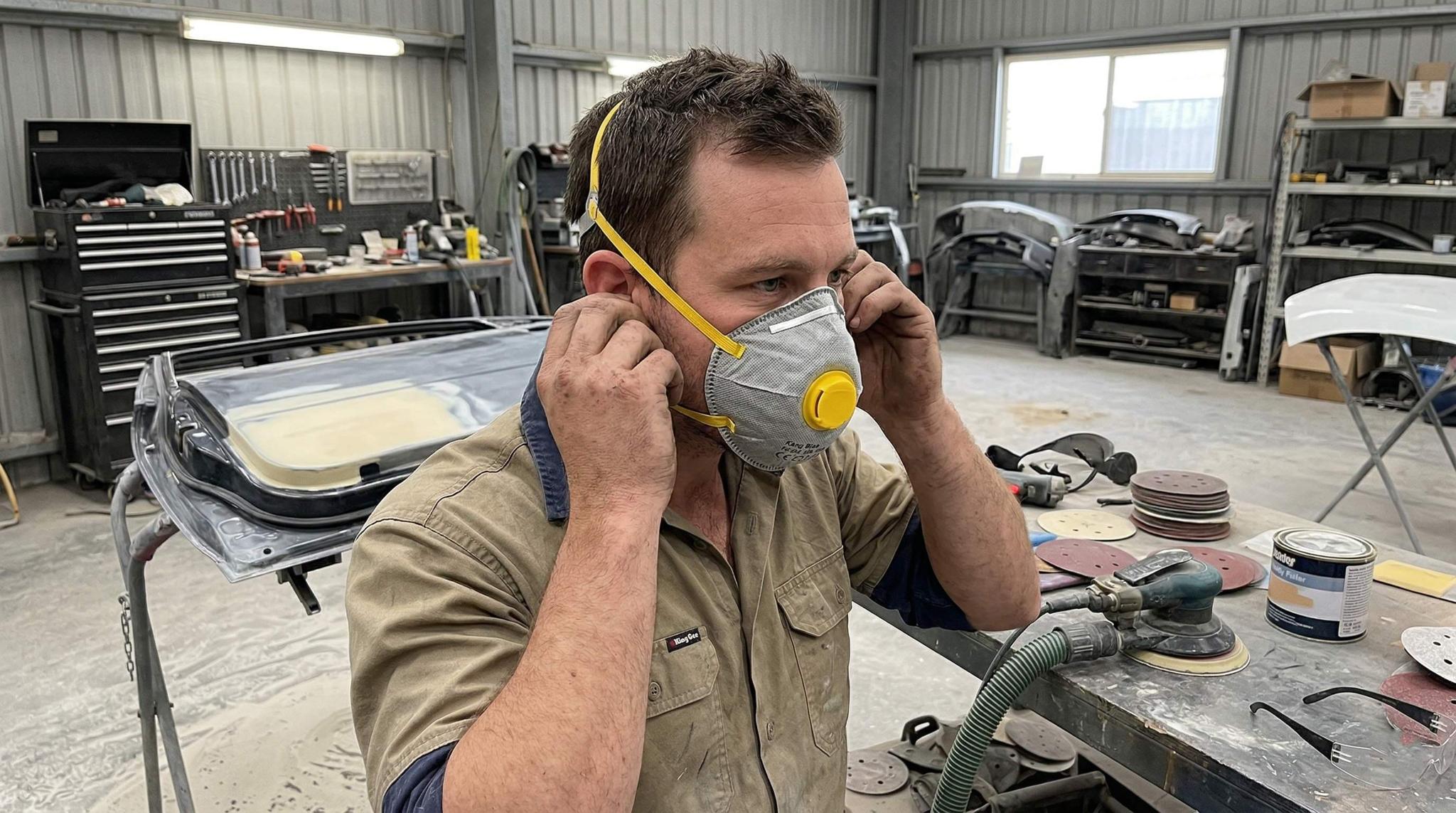
Dust control deserves a mention too. Sanding can throw a lot of fine dust depending on the material, so extraction, pad compatibility and the right PPE are not side notes. They are part of the buying decision.
Where to buy 150mm sanding discs in Australia
If you are buying for occasional use, you can find 150mm discs through hardware, tool and paint supply channels. If you are buying for workshop use, the better option is usually an Australian abrasive supplier that clearly publishes the details trade buyers need before checkout.
That means:
- clear hole pattern and pad compatibility
- useful grit coverage across the range
- repeatable pack sizes
- trade pricing or wholesale pathways
- fast Australian delivery
- real contact details if something goes wrong
For buyers who want that information upfront, SPX is a clean fit. The current 150mm ceramic range is built around a 15-hole format, covers coarse through fine grits, and gives trade buyers a straightforward path into box quantities and ABN pricing rather than forcing them through tiny retail packs first.
Frequently asked questions
Are 150mm sanding discs the same as 6-inch discs?
Usually, yes. In most workshop buying contexts, 150mm and 6-inch refer to the same disc size. The important part is not just the diameter though. Check the hole pattern and backing style as well.
Do I need a 15-hole disc or a net disc?
Use the style that suits your pad and extraction setup. A 15-hole disc makes sense if your machine already runs a 15-hole backing pad. A net disc can be a good option when you want broader extraction coverage and easier alignment, but only if the rest of your setup supports it.
What grit should a panel shop keep in stock?
That depends on the work mix, but many shops want a usable spread from coarse stock removal through to fine prep. For plenty of panel and prep work, the working grits tend to sit around 80, 120, 180, 240, 320, 400 and 600, with finer options added for finishing stages.
Are mixed packs worth buying?
They are useful for testing or low-volume buying. They are less useful when the workshop already knows which grits it burns through every week. Once you know your regulars, full boxes are usually easier to manage.
Can retail buyers order the same 150mm discs as trade buyers?
Yes. The difference is usually pricing structure and pack strategy, not whether the product is available at all. Retail buyers can order what they need, while ABN and wholesale buyers usually care more about repeat pricing, bulk quantities and reliable supply.
Final word
If you are serious about buying 150mm sanding discs in Australia, stop asking only where to buy them and start asking what the supplier makes easy to verify before you buy. Hole pattern. Grit range. Stock consistency. Trade pricing. Box quantities. Delivery. Those are the checks that save time on the floor, not just dollars on the invoice.
Written by the SPX Abrasives team in Melbourne for Australian trade buyers, workshop managers and retail customers who want to order the right discs the first time.
Featured Products From This Article
Quick picks already referenced in this guide.
.png&w=2048&q=75)
%2520(1).png&w=2048&q=75)